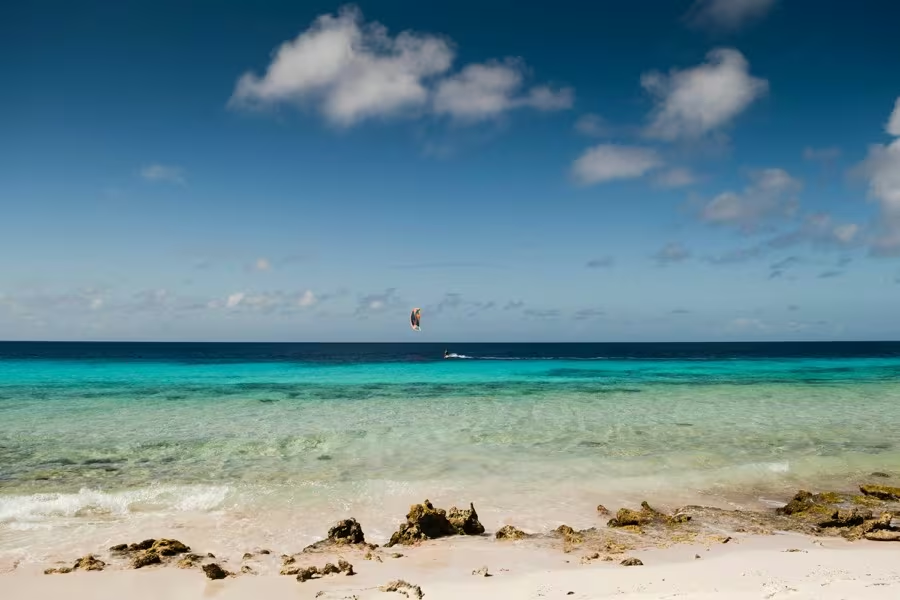
Diving gets the headlines, but Bonaire's water works just as hard above the surface. A shallow turquoise bay that windsurfers rank among the best flat water on the planet, a mangrove forest you paddle through in silence, e-foils humming along the leeward coast and serious blue-water fishing a short run offshore. If it floats, glides or pulls a line, it happens here.
Windsurfing at Lac Bay
Lac Bay, on the southeast coast, is the reason windsurf pros keep coming from around the world: a huge, waist-deep lagoon of flat turquoise water with steady trade winds blowing onshore. Fall off and you stand up — which is why it's simultaneously a world-class speed venue and one of the friendliest places anywhere to learn.
The wind blows most of the year and peaks May–August, when the trades are strongest — that's prime season for sailors chasing power, while learners do fine in any month. Windsurf schools cluster on the sand at Sorobon, renting gear by the hour and running lessons daily; turn up, or ask ahead in peak months. More on seasonal wind in when to visit.
Kayaking the mangroves at Lac Cai
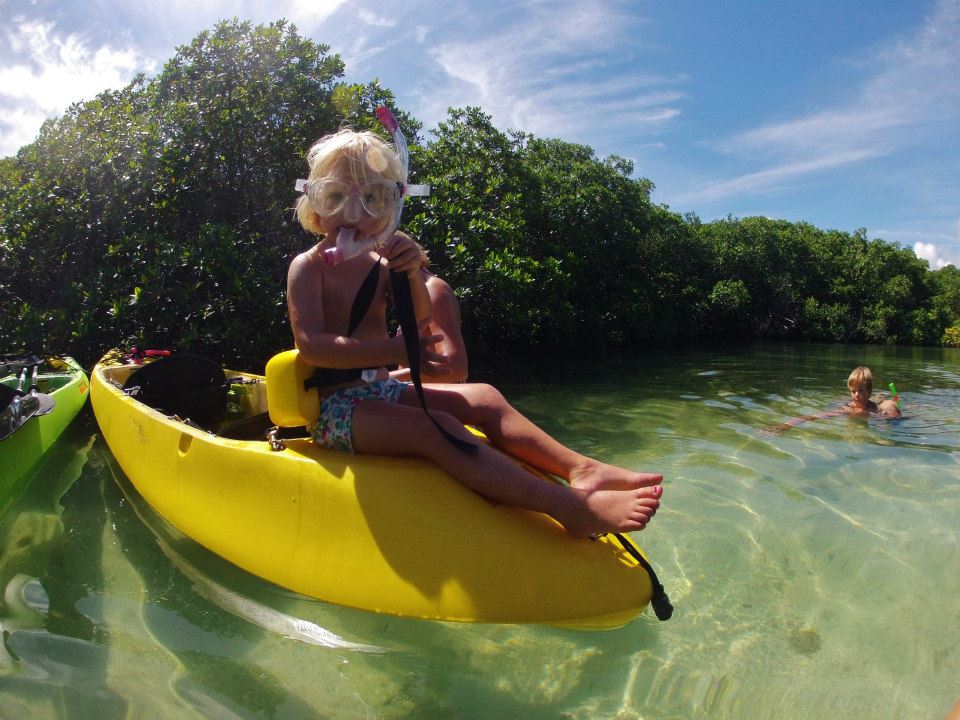
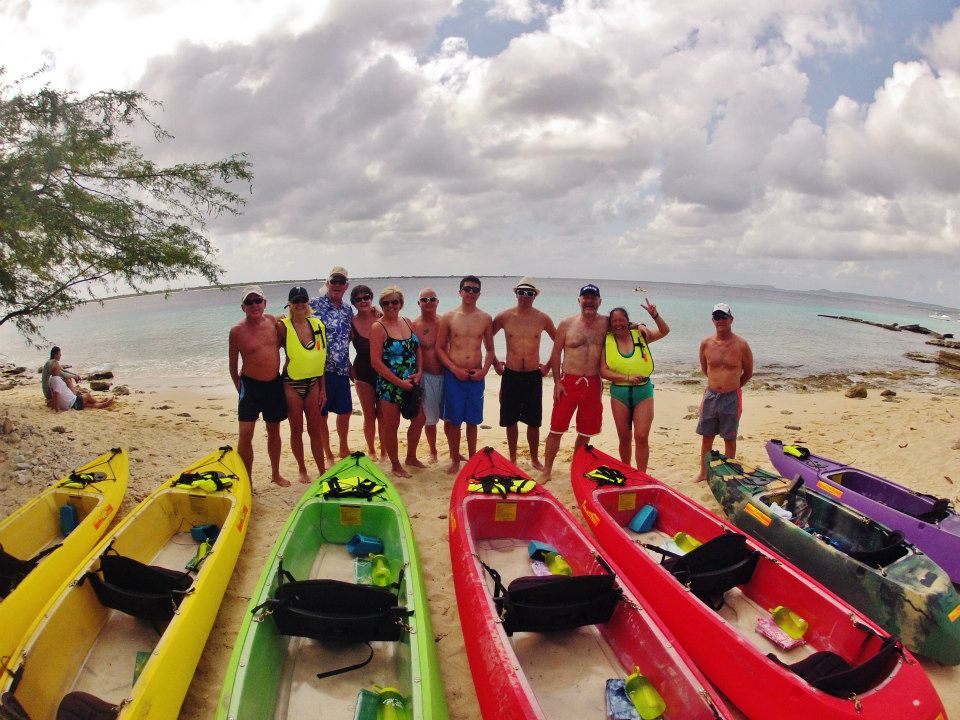
On the far side of Lac Bay sits the island's mangrove forest — a nursery for the reef fish you'll meet later while snorkeling, and a completely different Bonaire: green tunnels, still water, herons lifting off ahead of your bow. Guided kayak tours thread the channels and usually add a snorkel stop in the seagrass; clear-bottom canoes let non-swimmers watch the underwater life without leaving the boat.
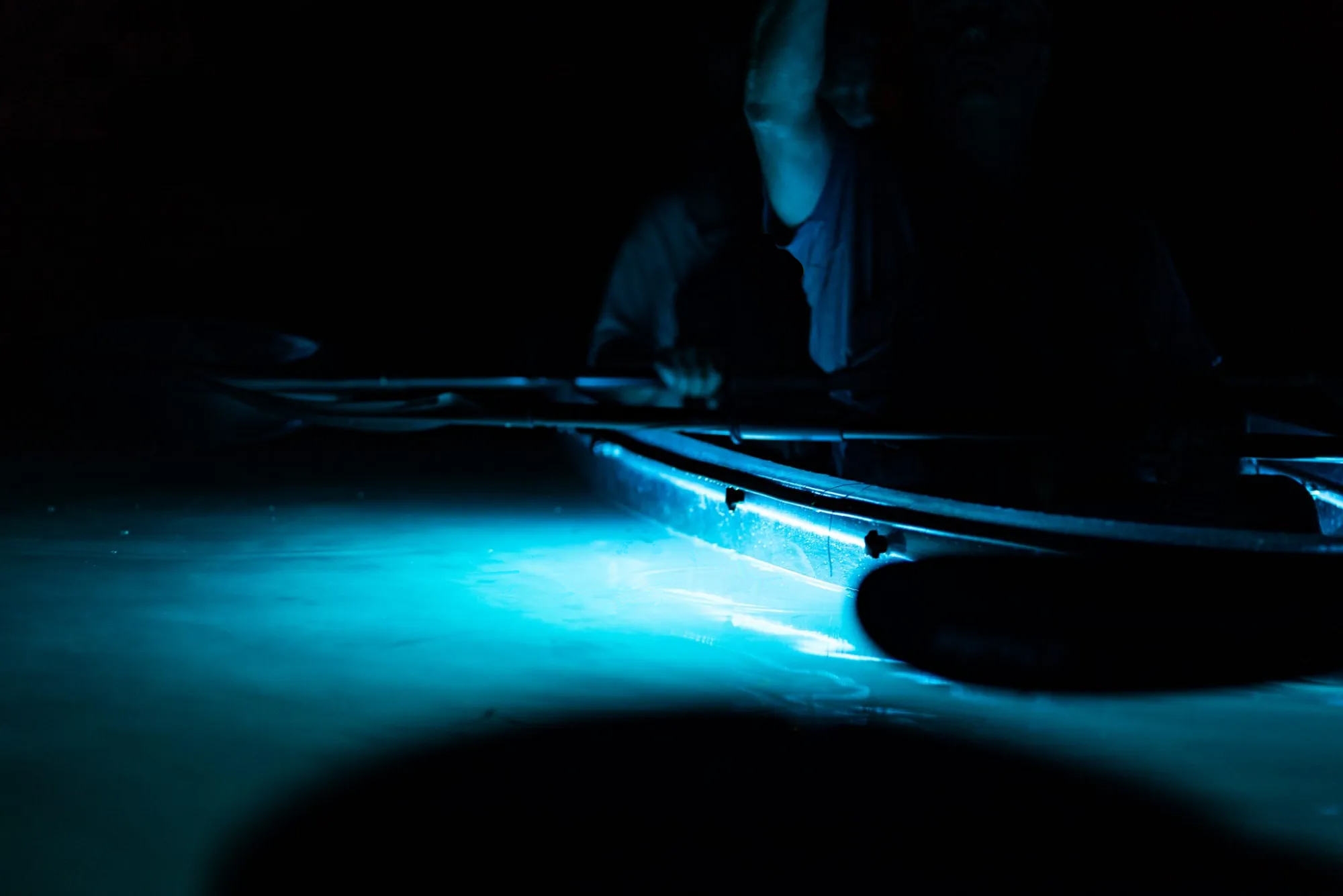
After dark, the water itself puts on a show. On dark nights around the new moon, night kayak tours go looking for bioluminescence — including the ostracod "string of pearls" display that belongs on our secrets page:
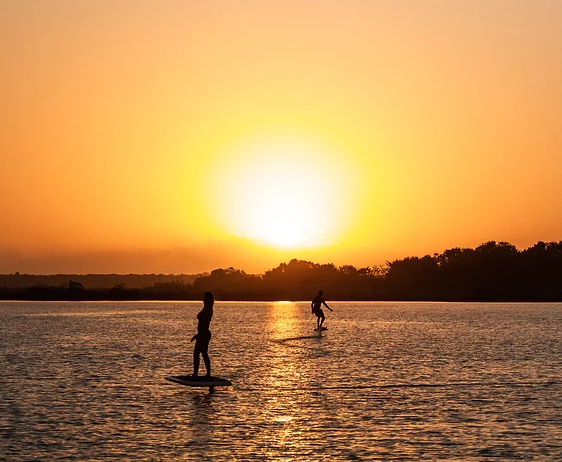
E-foiling
The newest way to fly over the reef: an electric hydrofoil board that lifts you silently above the surface once you're up to speed. No waves or wind needed — the calm leeward coast is ideal, and a lesson starts you from zero.
Fishing
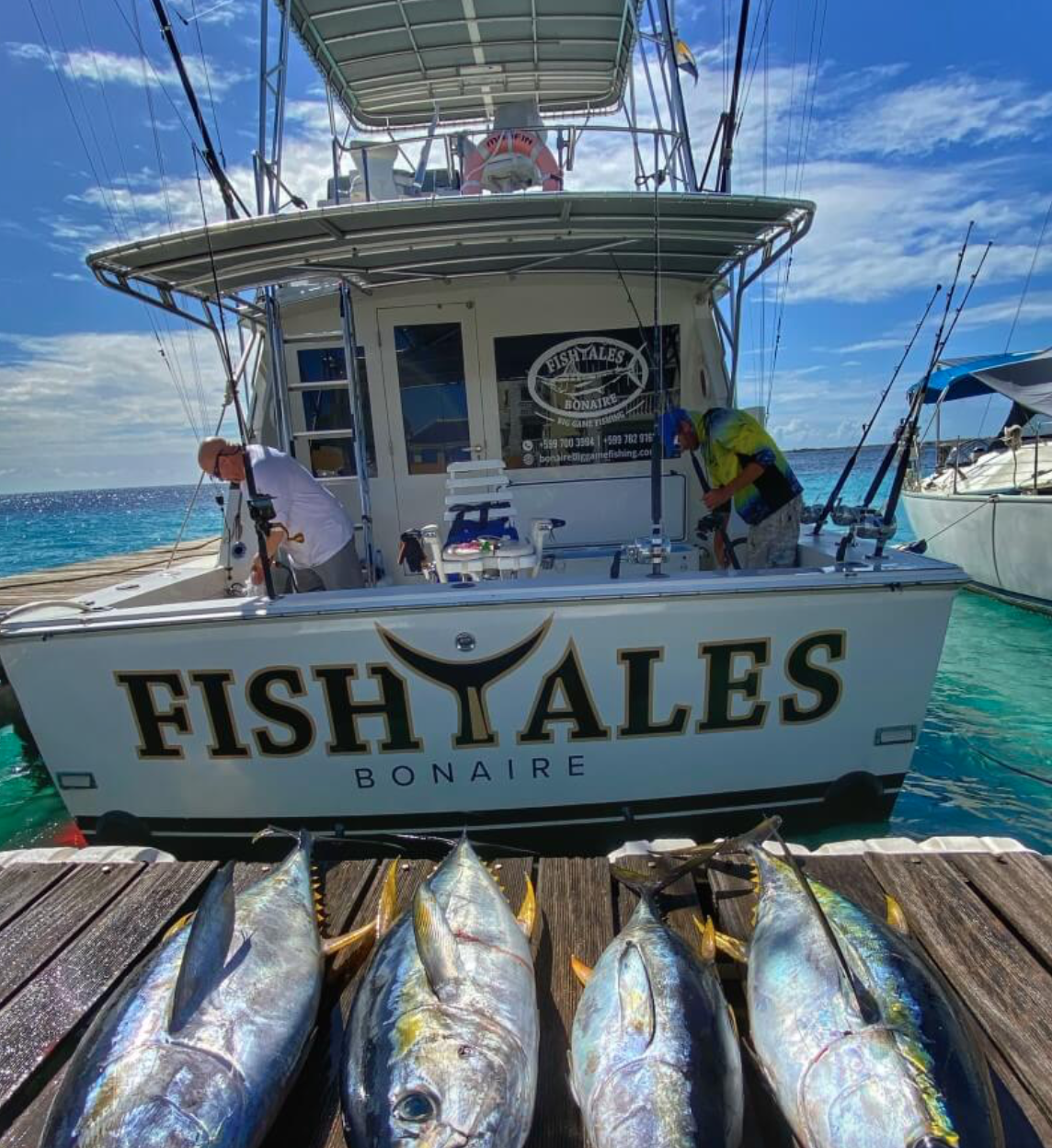
Deep water sits close to shore here, so fishing charters reach the blue fast. Trips run as private per-boat charters — note the price below is for the whole boat, not per person — which makes them best value for a group or family splitting the day:
Whatever you're doing, one admin note applies across the board: anyone entering the water on Bonaire pays the STINAPA nature fee, valid for the calendar year and buyable online before you arrive.
FAQ
Why is Lac Bay famous for windsurfing?
It combines a large, waist-deep, flat-water lagoon with steady onshore trade winds — a rare pairing that makes it superb for both beginners (you can stand up anywhere) and experts chasing speed. The trades peak May–August.
Can beginners learn to windsurf in Bonaire?
It's one of the best places in the world to learn. The water at Sorobon is shallow and warm, the wind is steady, and the schools on the beach run lessons and rent gear daily.
Where can you kayak in Bonaire?
The classic paddle is the mangrove forest at Lac Cai on Lac Bay — guided tours thread the green channels and usually include a snorkel stop. Clear-bottom canoes suit non-swimmers, and night tours chase bioluminescence on dark nights.
How much does a fishing charter in Bonaire cost?
Charters are priced per boat rather than per person, so the day costs the same whether you bring two people or a full group — splitting it is the smart play. Deep water lies close to shore, so you spend your time fishing, not commuting.
Do water sports require Bonaire's nature fee?
Everyone who enters the water pays the STINAPA nature fee, valid for the calendar year. Check the current rules and rates on our nature fee page before your first session.
Prefer your water with a mask on? Head to the snorkeling and diving guides — or see everything at once on the things to do hub.