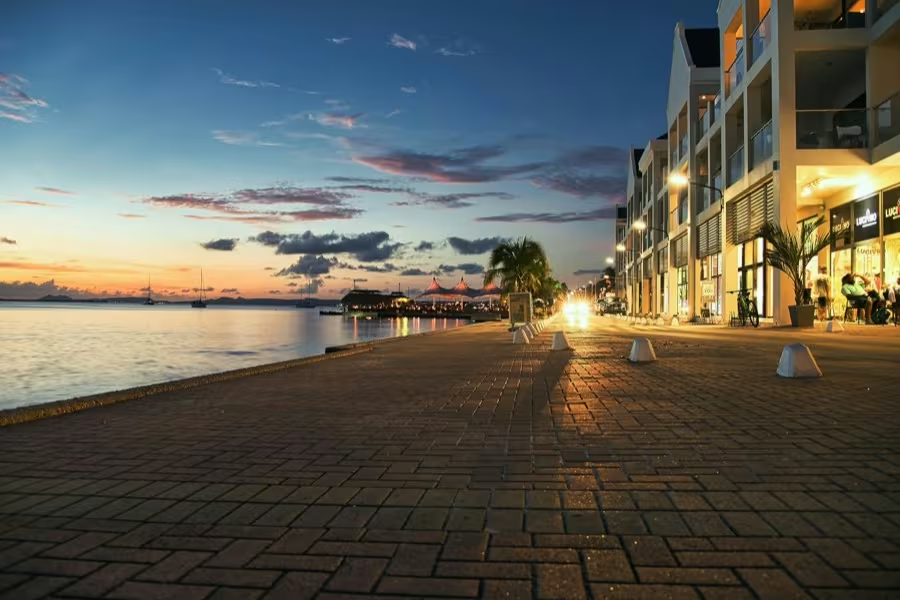
Half a mile off Kralendijk sits Klein Bonaire — “little Bonaire” — a flat, uninhabited islet ringed by the best beach and some of the healthiest reef in the region. It’s the one thing every visitor should do, and also the one thing people most often get wrong: no shade, no shop, no water, and timing that makes the difference between magic and a crowded sandbar.
- What it isUninhabited protected islet, part of the marine park
- The beachNo Name Beach — wide, white, genuinely beautiful
- FacilitiesNone. Zero. Bring everything, take everything back
- Getting thereWater taxi from Kralendijk, or by tour
Water taxi or tour?
The water taxi leaves from the Kralendijk waterfront and drops you at No Name Beach with a return time. It’s the budget option and gives you the most beach hours. It also gives you exactly what’s on the island: sand, sea and whatever you carried. For confident snorkelers who want a simple beach-and-reef day, it’s perfect.
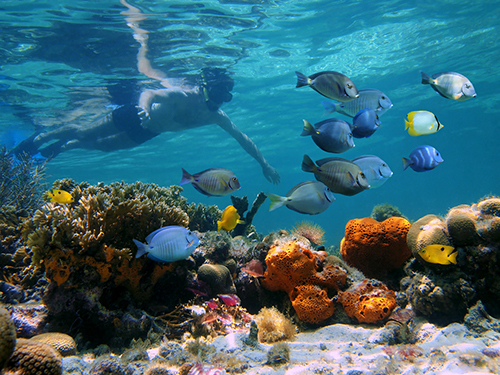
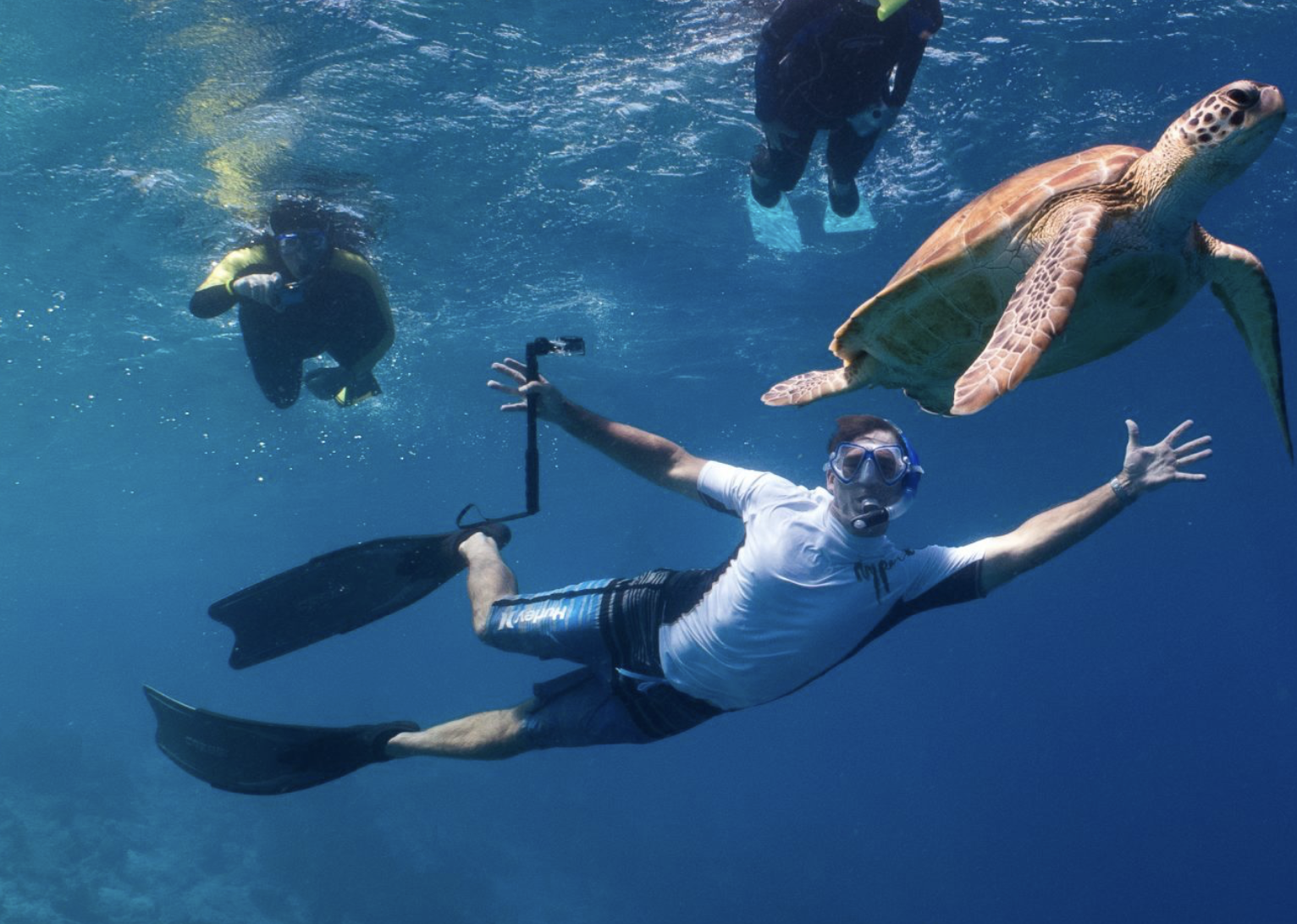
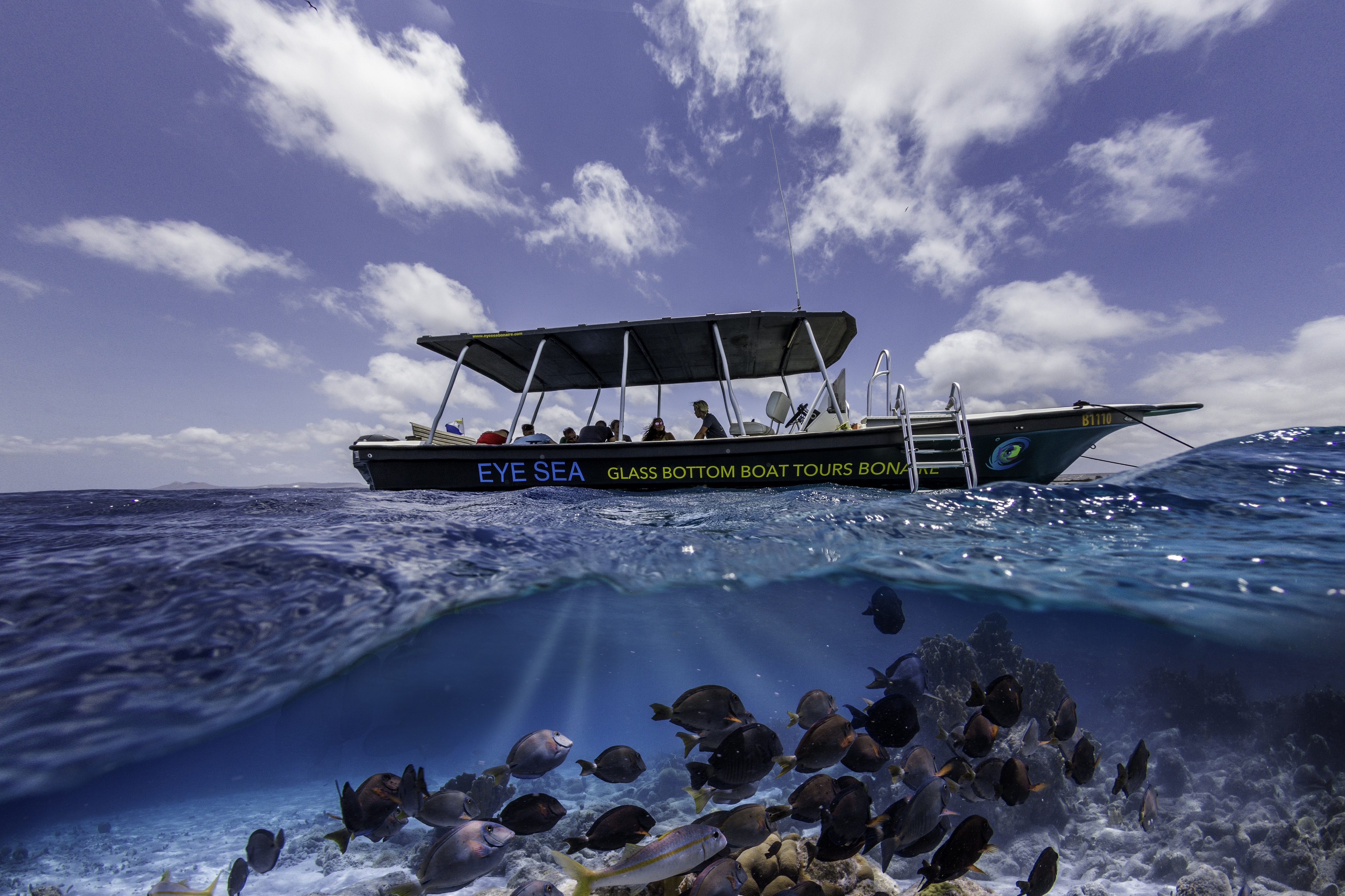
A boat tour costs more but solves everything the taxi doesn’t: guided snorkel stops at the reef’s best sections (which you won’t find from the beach), gear, drinks, shade on board, and a crew that reads the current. The drift snorkelling along Klein Bonaire’s edge — floating over coral heads while the boat follows — is a genuinely better reef experience than swimming out from the sand.
| Water taxi | Boat tour | |
|---|---|---|
| Best for | Beach day, budget, own pace | Snorkeling, families, first-timers |
| Reef access | Swim out from shore | Guided stops at prime sections |
| Shade & drinks | Bring your own | On board |
| Effort | You plan everything | Turn up with a towel |
These are the Klein Bonaire trips locals put their own visiting family on:

How to not ruin it
- Go early or go late. Mid-morning to early afternoon is peak, especially on cruise days. The first departure of the day, or a sunset sail that anchors off the island, shows you a different place.
- Sun is the enemy. There is no natural shade at all. Hat, reef-safe sunscreen, and ideally a rash guard for snorkeling — an hour face-down over the reef burns the backs of your legs before you notice.
- Water and snacks. Nothing is sold on the island. Take more water than feels reasonable.
- Footwear. The beach is soft, but entries elsewhere on the islet are coral rubble — water shoes earn their space in your bag.
- Nature fee first. Klein Bonaire sits inside the marine park; everyone entering the water needs the STINAPA nature fee sorted beforehand.
- Take everything back. The islet is a protected nature reserve and turtle nesting ground — what comes with you leaves with you.
FAQ
How do you get to Klein Bonaire?
Either the water taxi from the Kralendijk waterfront (drop-off and pick-up at No Name Beach) or a boat tour that combines the island with guided snorkel stops. There’s no bridge, ferry schedule or airstrip — it’s boats only.
Is Klein Bonaire worth it?
Yes — it has the island group’s best sandy beach and superb, healthy reef within swimming distance. It’s consistently the highlight of first visits, provided you bring shade, water and sun protection.
Can you snorkel at Klein Bonaire as a beginner?
Yes. From No Name Beach the water starts shallow and calm. Nervous swimmers do better on a guided tour — crews provide flotation, keep the group together and pick the calmest sections of reef. A guided snorkel trip is the low-stress way in.
Is there shade or food on Klein Bonaire?
No. The islet is uninhabited and undeveloped — no trees to speak of, no bar, no toilets. Everything you need comes in your bag; everything you brought goes back with you.
Do you need the nature fee for Klein Bonaire?
Yes. The waters around Klein Bonaire are part of the Bonaire National Marine Park, so anyone entering the water needs a valid nature fee. Buy it online before your trip; tours will ask.
Klein Bonaire slots naturally into day two of the 3-day itinerary. Pair it with the snorkeling guide to know what you’ll be looking at.