
A week in Bonaire is not the five-day trip with extra stuff bolted on. It’s the same island done properly: the boat mornings and the south loop, yes, but also Rincon’s backstreets, flamingos at the Goto viewpoints, an evening underground or paddling in the dark — and at least one day where the plan is officially no plan. If three days is the trailer, a week is the film at the right speed.
The setup is the same as ever: rental car (high-clearance for the park — see getting around), nature fee paid online before your first swim, boats booked ahead in high season.
The week, day by day
Land, slow down, sunset
Collect the car, settle in, and walk the Kralendijk waterfront as the light softens. If the timing works, start the trip as our 3-day plan does — with a sunset sail toward Klein Bonaire. With a week ahead, there’s no pressure; any evening works.
Klein Bonaire
Take the boat across to the uninhabited islet for the island’s clearest water and No Name Beach. Morning is calmest; there’s no shade or facilities out there, so go prepared. Afternoon: nothing. You have a week — use it.
Salt pyramids, slave huts, Sorobon
Drive the southern loop at half pace: the white salt pyramids and pink water of the Cargill pans, the 19th-century slave huts, flamingos in the Pekelmeer sanctuary (viewed from the road), the Willemstoren lighthouse. Finish with a long, shallow afternoon at Sorobon on Lac Bay.
Washington-Slagbaai National Park
Start early for the wild north — cactus hills, empty coast, swim stops at Wayaka II and Boka Slagbaai. High-clearance vehicle strongly advised, last entry early afternoon, no shops inside, and check STINAPA for current hours and open days. Full details in our park guide.
Rincon, Cadushy and the Goto viewpoints
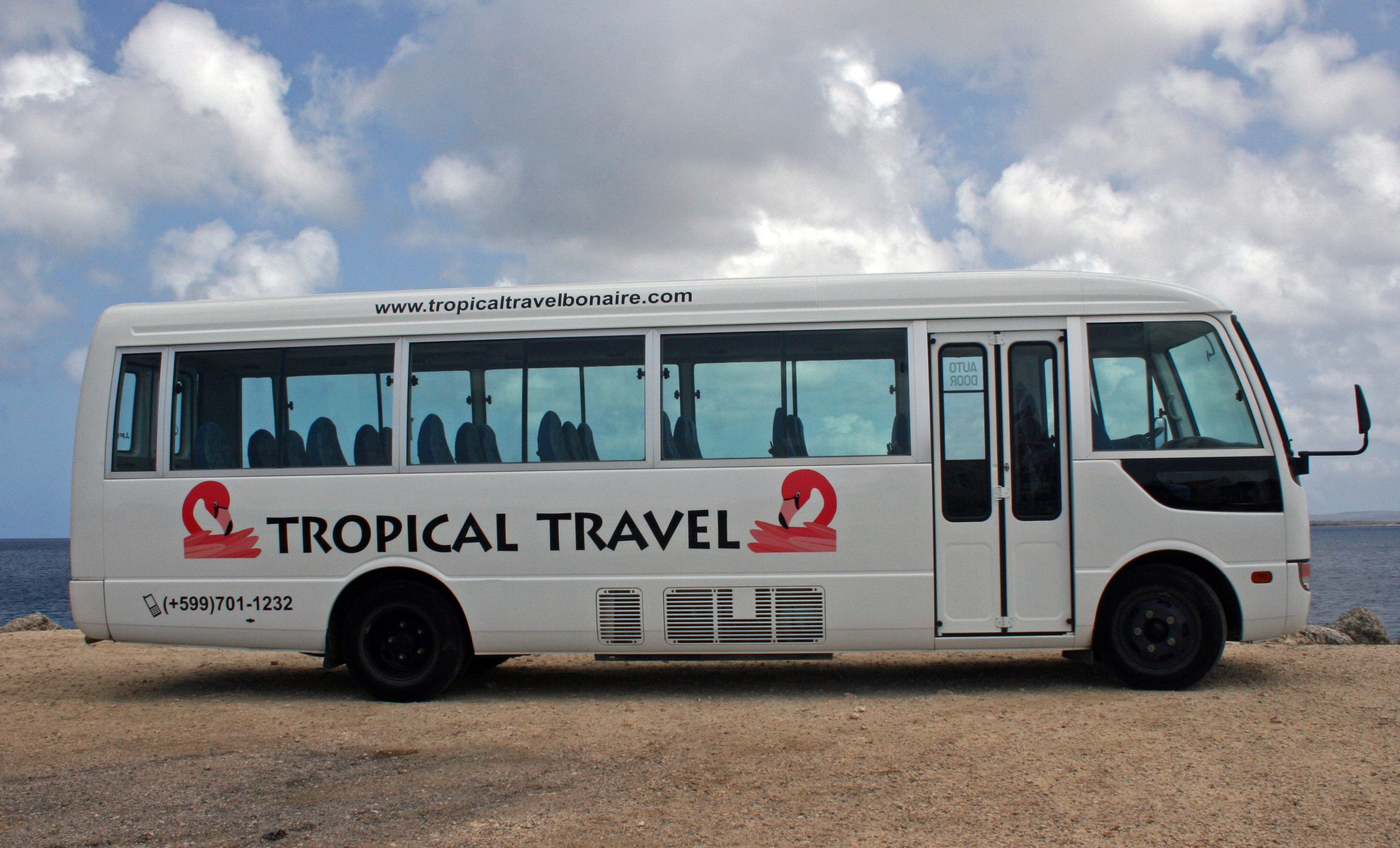
Rincon is the island’s oldest village — 16th century, unhurried, and home to the Cadushy Distillery, where cactus becomes liqueur. Pair it with the viewpoints around Goto, the saltwater lake where flamingos feed year-round, and you have the most photogenic low-effort day on the island. A guided version adds the stories the roadside signs don’t tell:
No plan. That’s the plan.
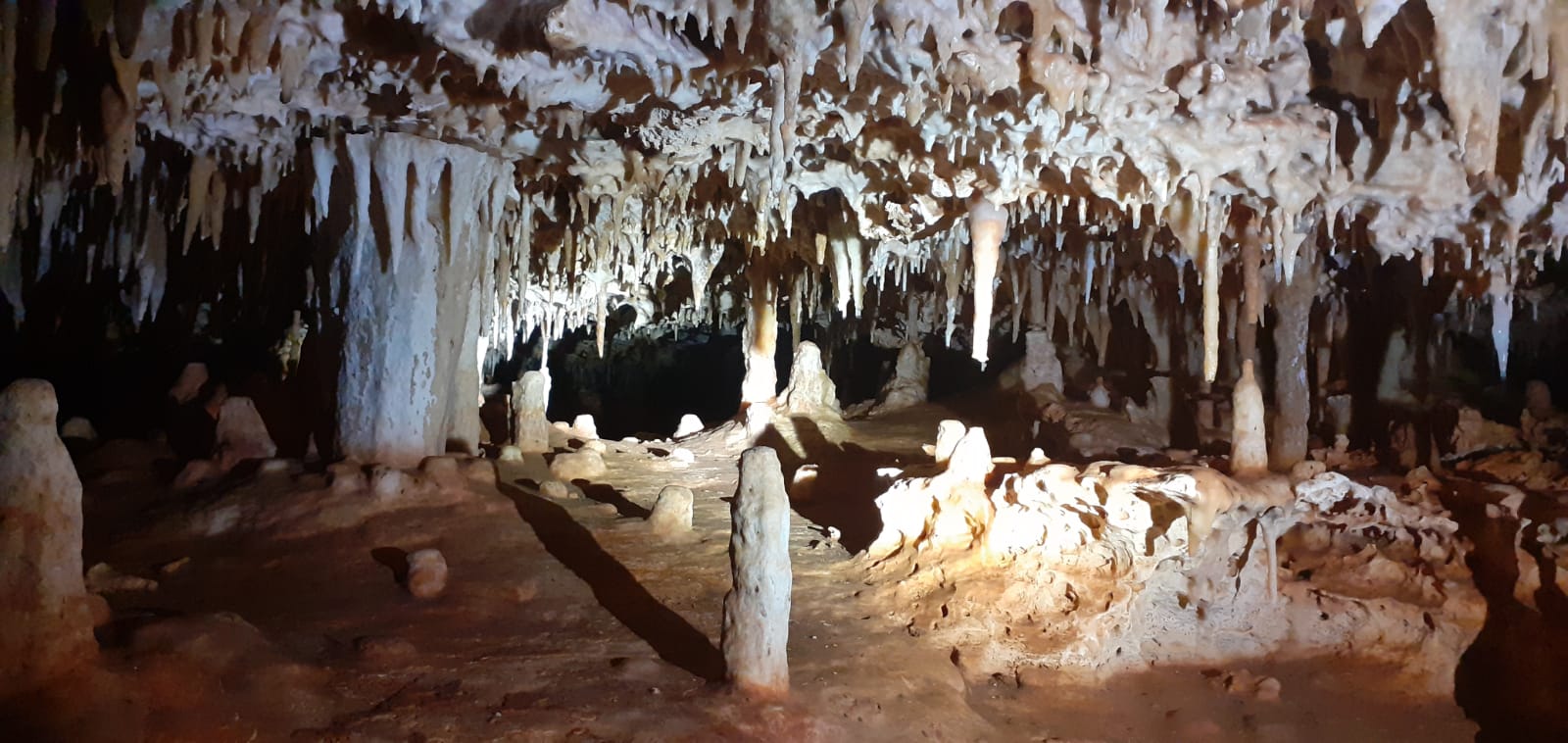
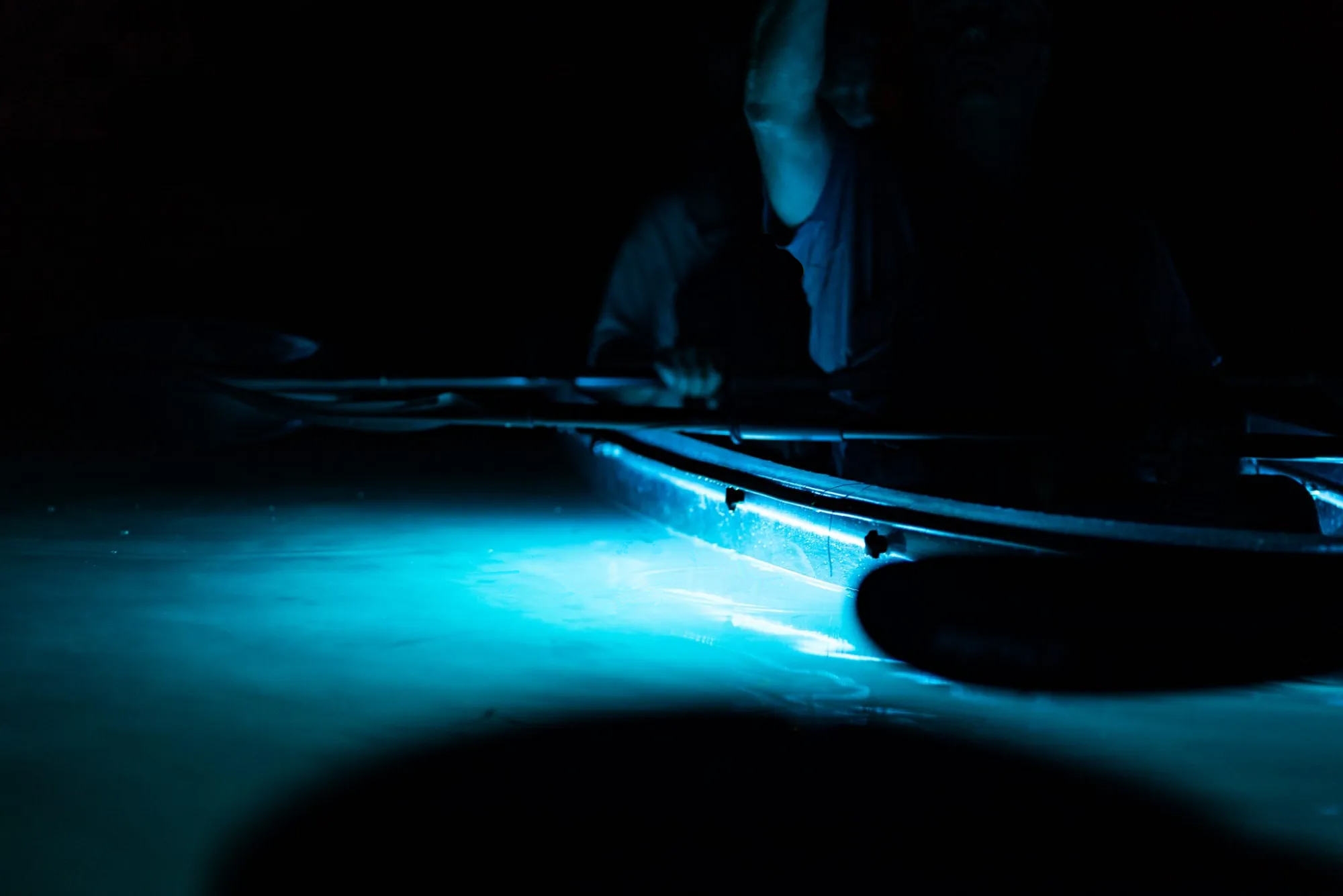
This is the day short trips never get. Pick a stretch of the leeward coast, snorkel off the shore whenever you feel like it, read in the shade, repeat. The reef starts a few metres from the waterline along most of the west coast — no boat required, no schedule, no regrets. In the evening, if you want one more first: go underground on a cave tour, or paddle Lac Bay in the dark.
The flight-safe finale
Leave a no-dive buffer before your flight — standard dive practice, and your operator will advise on the window. Snorkelling, wading and beach time are all fine, so end with a slow morning and a last swim at Te Amo Beach beside the airport before you hand back the car.
Divers: the course-week version
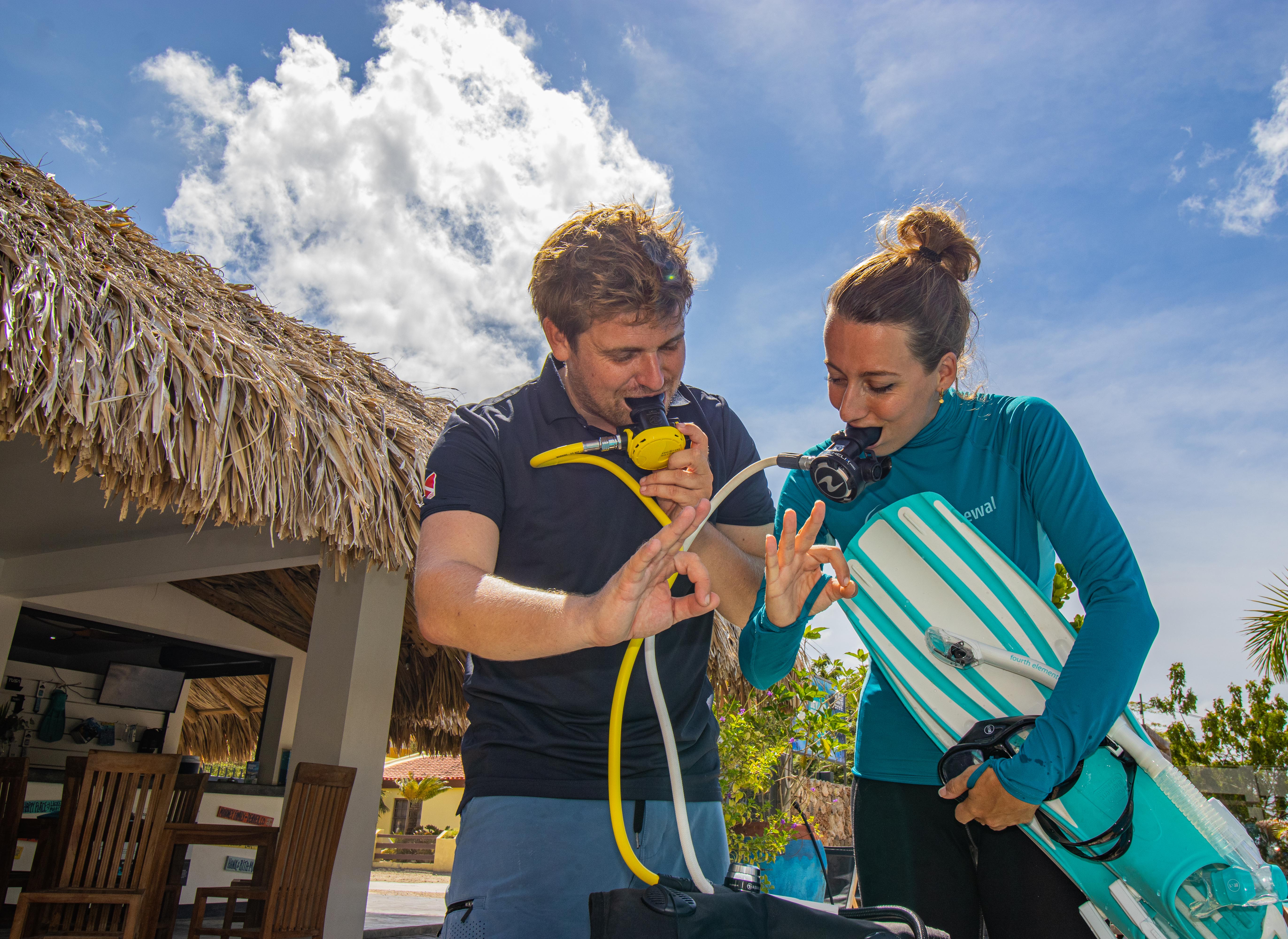
A week is exactly the length at which certification makes sense. The PADI Open Water course typically occupies the first days of your stay, leaving the back half of the week for the park, the north and the reef on your own terms — with the no-fly buffer landing naturally on departure day.
FAQ
Is a week too long for Bonaire?
Not if you match the island’s pace. A week isn’t more attractions — it’s the same island with room to breathe: slow mornings, a do-nothing reef day, and evenings you didn’t have to schedule. Divers routinely stay longer.
Can I rearrange the days in this itinerary?
Freely, with two fixed points: Washington-Slagbaai needs an early start on a day the park is open (check STINAPA), and any diving must finish before your pre-flight no-dive buffer. Everything else swaps without penalty.
Is the night kayak tour worth it?
On dark nights — around the new moon, or the days after full moon — Bonaire’s east-coast lagoons can light up with ostracod “string of pearls” bioluminescence. Timing is everything, so ask the operator which nights that week look best.
Can I get PADI certified during a week in Bonaire?
Comfortably. The Open Water course fits in the first part of the week with time to spare, and Bonaire’s calm, shore-accessible reef is about as forgiving a classroom as diving offers. Book the course before you fly — spots go first in high season.
Do I need to book all seven days in advance?
No — book the boats and any dive course ahead, especially December–April, and leave the rest loose. Half the value of a week here is being able to follow the weather and your own energy.
Before you lock anything in, skim the first-timer briefing for the mistakes everyone makes once, and when to visit for how seasons change the picture. Then browse the full range of things to do and choose your anchors.