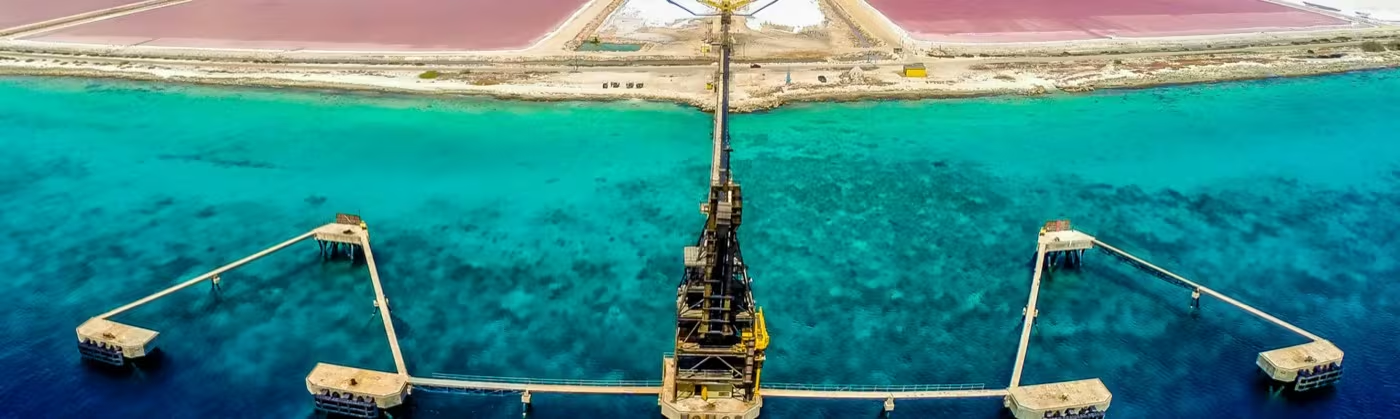
This isn’t a day plan — it’s the briefing we wish every first-time visitor got on the plane. Bonaire rewards people who arrive with the right expectations and punishes nobody, but there’s a familiar set of surprises and small mistakes that almost everyone works through in their first 48 hours. Read this once and you’ll skip straight to the good part.
What surprises people
- It’s a desert island. Cactus, goats and trade wind — not palm jungle. The green here is underwater; the land is beautiful in a dry, big-sky way that grows on you fast.
- The beaches are small. Mostly coral rubble, some barely a car park wide. Sorobon is the sandy exception. Nobody comes to Bonaire for the beaches — they come for what starts a few metres past them.
- The reef is the point. The entire coast has been a protected marine park since 1979, so healthy coral begins just off the shoreline. Even confirmed non-divers end up spending most of the trip in, on or under the water.
- Everything closes early. The island winds down in the evening; dinner is the event, nightlife is a quiet drink. Plan sunset activities, not late ones.
- Sunday is genuinely quiet. Many businesses close or shorten hours. Make it your boat day, beach day or do-nothing day rather than your errand day.
Mistakes everyone makes once
- Underestimating the sun and wind. The constant breeze hides the burn until it’s done. Reef-safe sunscreen (required — regular kinds harm the coral), a hat and a rash guard beat willpower.
- Leaving valuables in the rental car. Petty theft from parked cars at dive and beach sites is the island’s one common nuisance. Do as locals do: leave the car empty and unlocked, valuables with you or at your accommodation.
- No water shoes. Most shore entries cross coral rubble. Two minutes of hobbling teaches this lesson permanently; pack the shoes instead.
- Skipping the nature fee. Everyone entering the water needs it — snorkellers included, divers at a higher rate. Buy it online before your first swim; details in our nature fee guide.
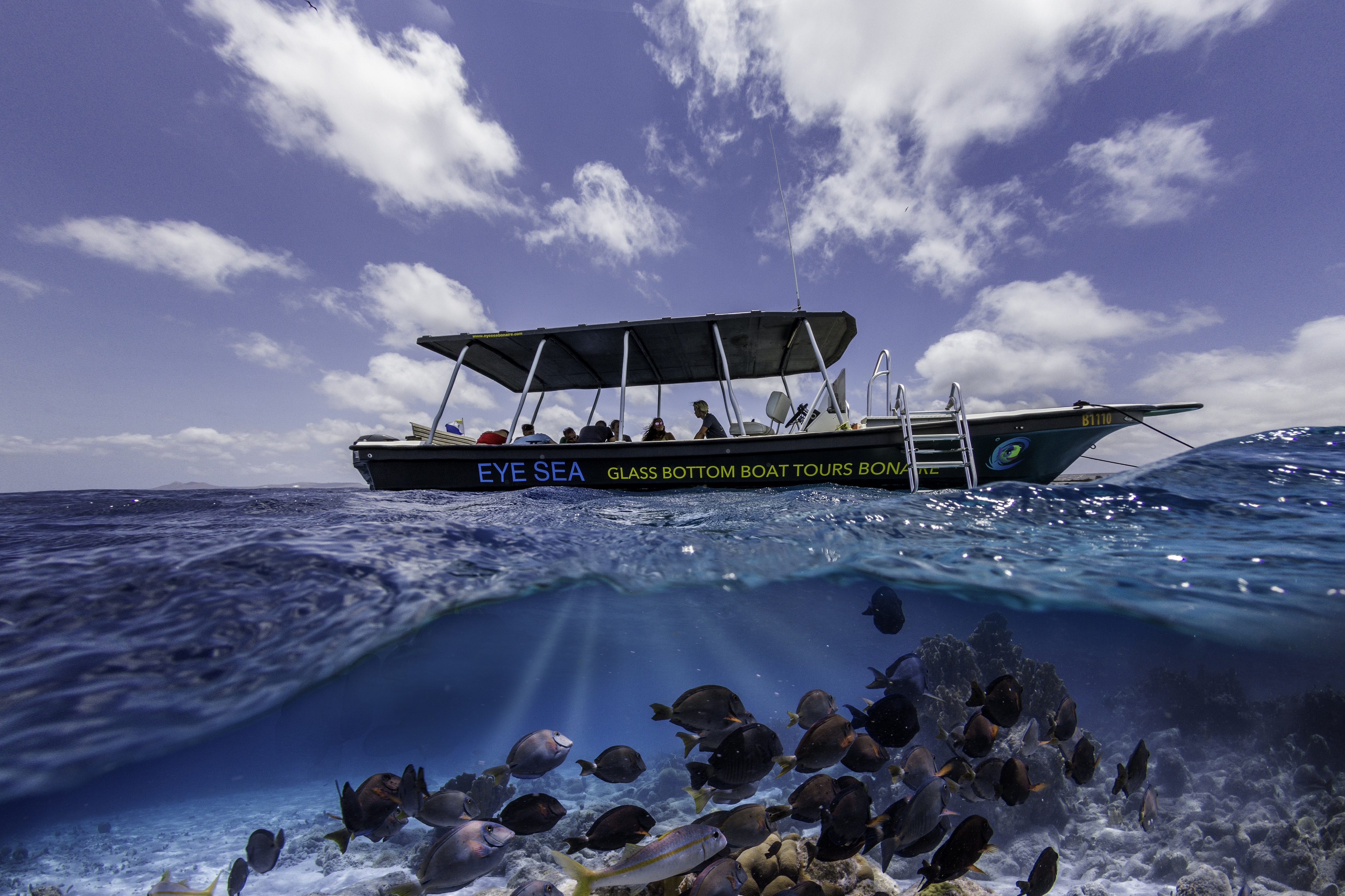
- Booking Klein Bonaire too late. In high season and on cruise days the boats fill first. Waiting until you arrive can cost you the trip’s best morning — more in our Klein Bonaire guide.
What to book before you fly
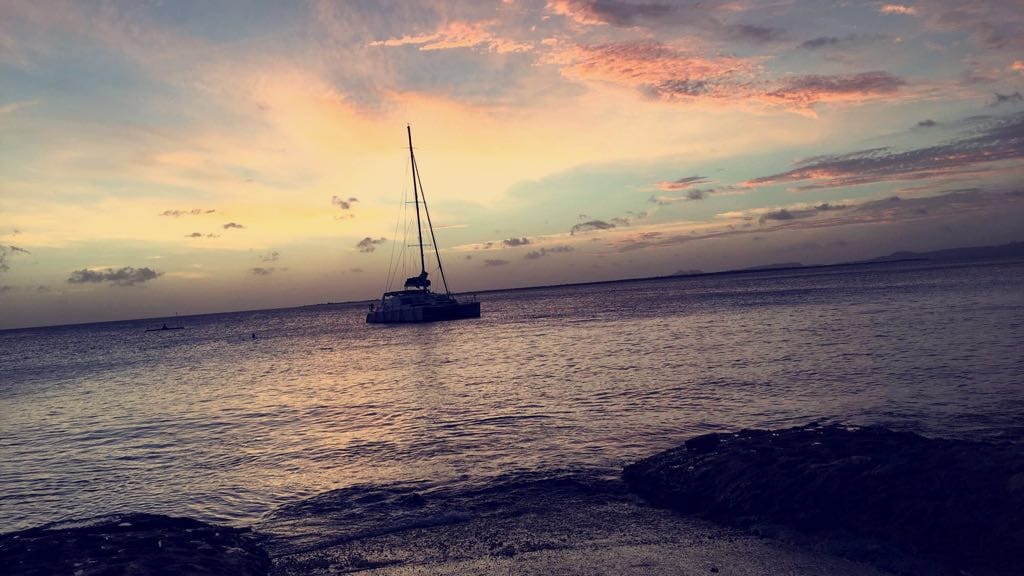
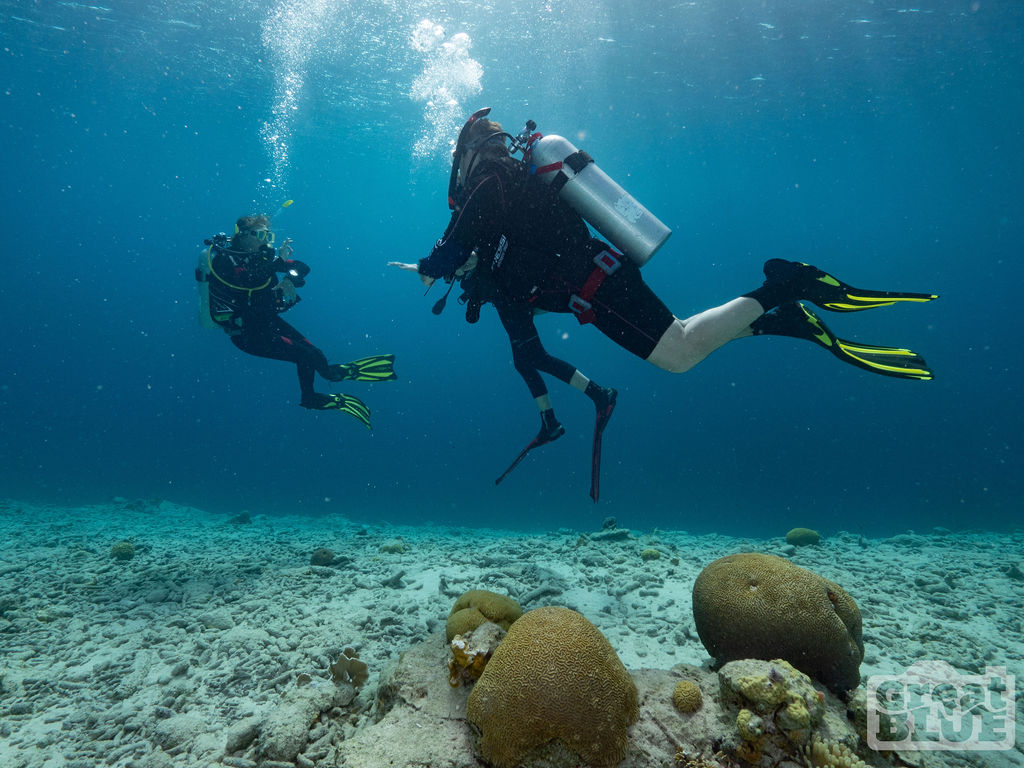
Three things, in this order. First, the rental car — demand is real, pickups especially, and there’s no public bus system to rely on (see getting around). Second, boat trips if you’re coming mid-December to April: Klein Bonaire crossings and sunset sails sell out days ahead. Third, any dive course — instructor schedules fill before boat seats do. The classic first-timer trio:
What not to bother with
A jam-packed schedule (one anchor activity per day is the island rhythm), formal clothes (nowhere requires them), cash in bulk (US dollars are the currency and cards are widely accepted — keep some cash for food trucks and markets), and an umbrella (showers are short and mostly Oct–Jan; the sun does the drying). And don’t plan “beach days” in the Aruba sense — plan water days instead.
The packing shortlist
- Reef-safe sunscreen, hat, sunglasses, rash guard
- Water shoes — non-negotiable
- Your own snorkel mask if you have one that fits
- Light layers only; a windproof top for boat evenings
- US-style plug devices work as-is (127V power)
- Refillable bottle — tap water is safe, distilled seawater
Your first 24 hours: the game plan
Land at Flamingo Airport, collect the car, and buy the nature fee online before you unpack. Walk the Kralendijk waterfront to get your bearings — Klein Bonaire sits right there on the horizon. Do a shakedown snorkel a few metres off the shore near your accommodation: five minutes in the water recalibrates the whole trip. Then dinner early, like the island does, and check tomorrow’s boat time.
FAQ
What do first-time visitors get wrong about Bonaire?
Expecting a lush, big-beach Caribbean island. Bonaire is semi-arid, its beaches are small and coral-strewn, and its treasure is the protected reef offshore. Arrive for the water and the island over-delivers.
Do non-divers enjoy Bonaire?
Very much. Snorkelling here rivals diving elsewhere thanks to the shallow, protected reef, and glass-bottom boats, kayaks, flamingos and the wild south loop fill a trip easily. See the 3-day plan for a no-tanks version of the highlights.
Is English enough to get around Bonaire?
Yes. Dutch and Papiamentu are the local languages, but English (and Spanish) are spoken virtually everywhere — menus, tours and shops included.
How far in advance should I book activities?
In high season (mid-December–April) and around cruise days: boats and dive courses a few days to weeks ahead, the rental car as early as you can. In the quiet months, a day or two of notice usually does it.
Is the nature fee really required for snorkelling?
Yes — everyone who enters the water pays it, and it funds the marine park that keeps the reef worth visiting. Buy it online or via your operator; it’s valid for the calendar year.
Briefed and ready? Pick your plan — 3 days, 5 days or the full week — and check when to visit before you book flights.