Everyone comes to Bonaire for the water, and almost everyone leaves talking about a day they spent on land. This is a desert island with pink lakes, salt pyramids you can see from miles away, a 16th-century village, caves, wild donkeys and one of the Caribbean's rarest parrots. The distances are short, the roads are empty — there isn't a single traffic light — and a guided tour turns a pretty drive into an actual story.
The two classic loops
The north loop climbs into cactus country. Stops typically include Rincon — the island's oldest village, founded in the 16th century, home to the Cadushy Distillery and its cactus liqueur — plus the flamingo viewpoints around Goto, where the pink birds feed year-round against a backdrop of desert hills.
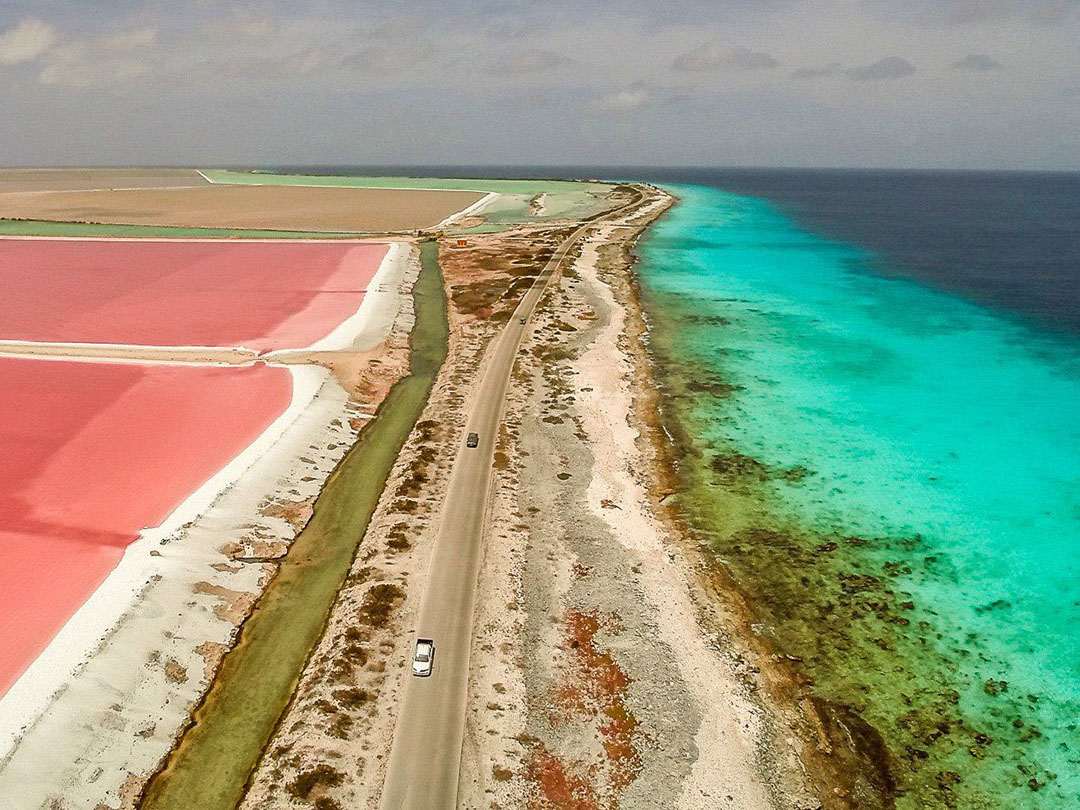
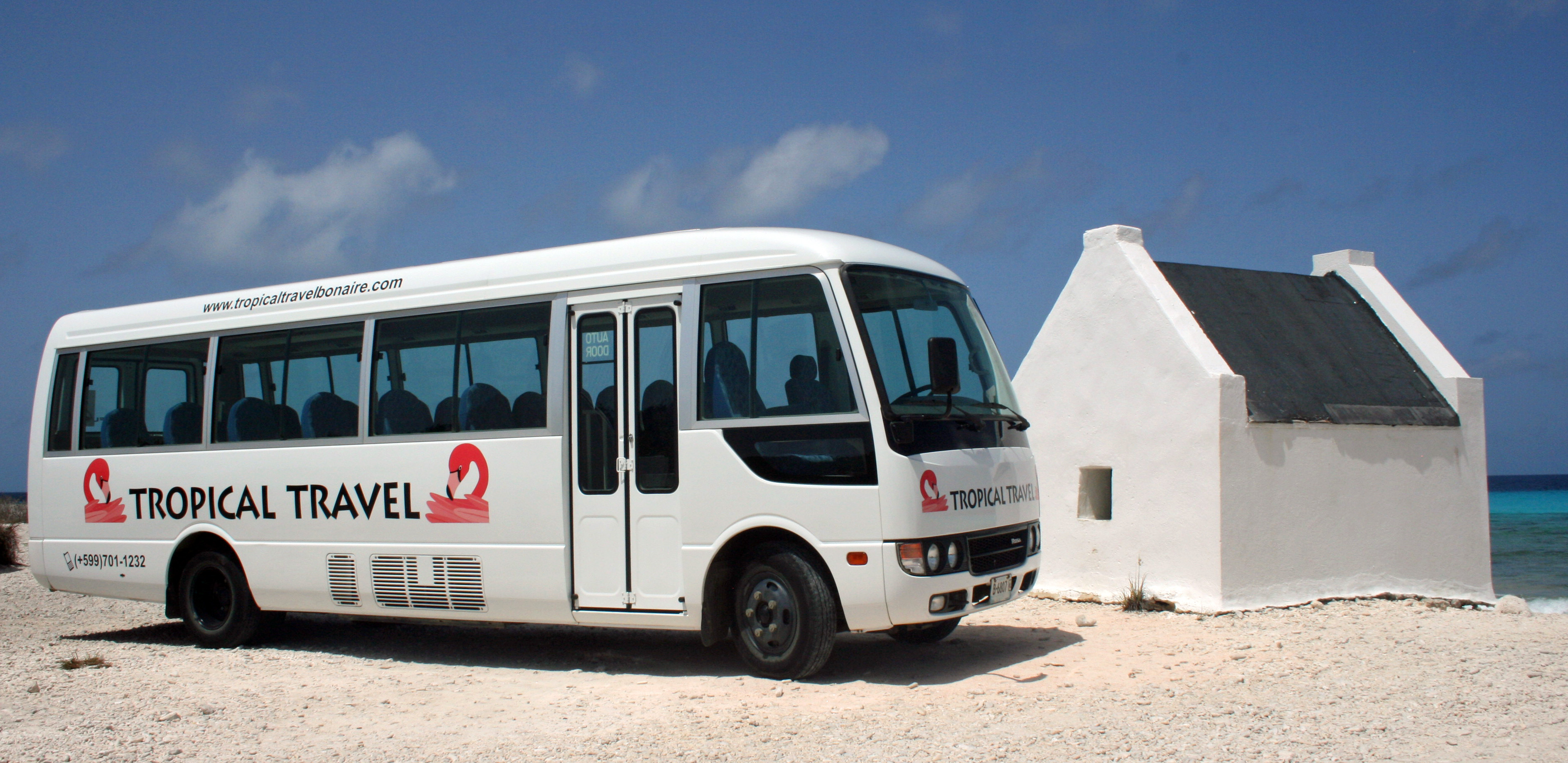
The south loop is flat, stark and unforgettable: the Cargill salt pans with their pink water and blinding white salt pyramids, the sobering 19th-century slave huts on the shoreline, the Pekelmeer flamingo sanctuary (no entry — you view from the road, and the flocks are often close), Willemstoren lighthouse at the island's tip, and the turquoise shallows of Sorobon on the way back.
You can self-drive both loops, but guides earn their fee here — the south especially is a landscape that means little without the salt and slavery history behind it. A good local guide covers both loops in a day:


Underground: the caves
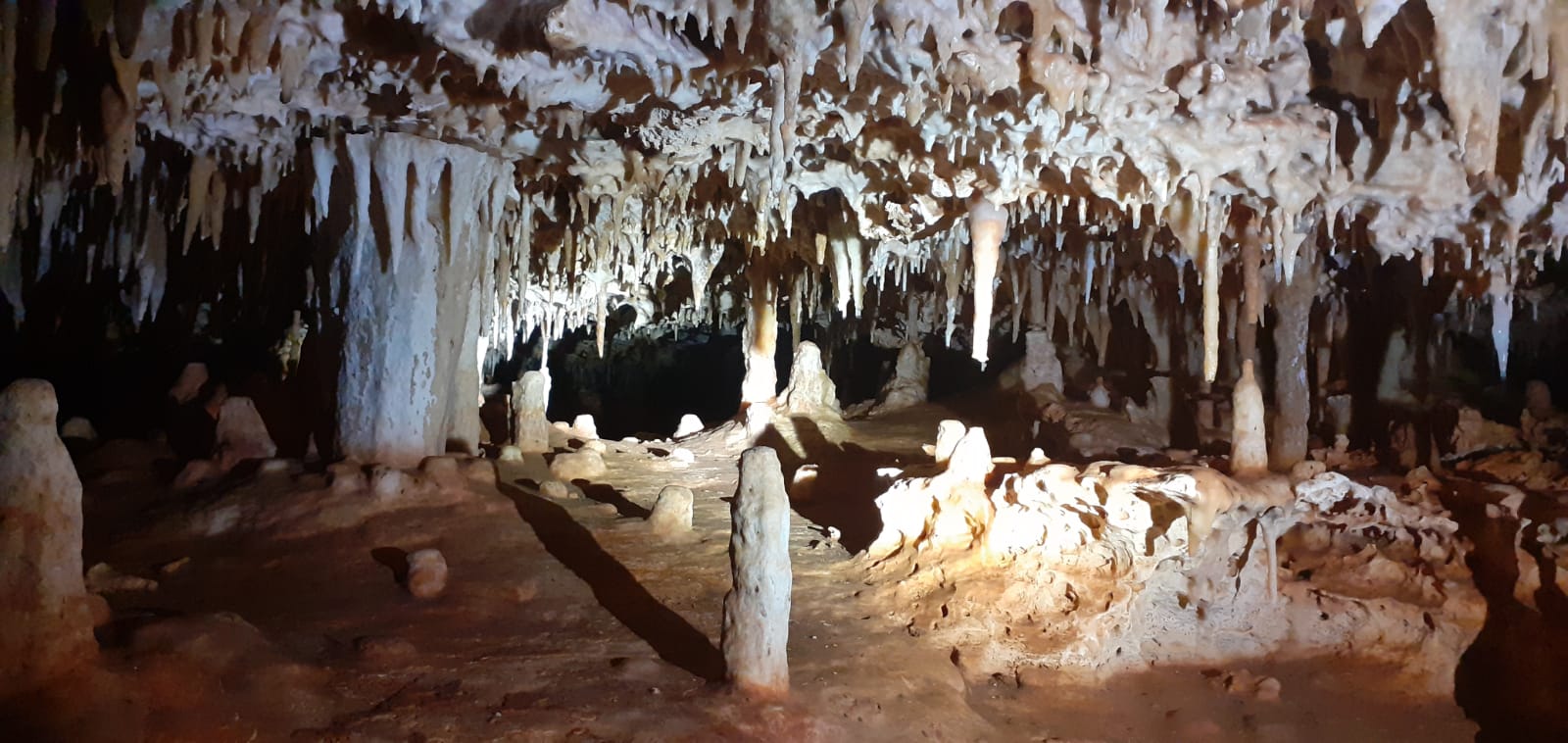
Bonaire sits on limestone, and limestone means caves — some dry and full of formations, some hiding crystal-clear pools. Cave visits are guided-only for good reason: access crosses private and protected land, and the fragile formations don't forgive freelancing. It's the most surprising half-day on the island, and nothing like the postcard Bonaire above ground.

Washington-Slagbaai: the wild north
The island's rugged northwest corner is Washington-Slagbaai National Park, managed by STINAPA — a full- or half-day driving adventure past flamingo lakes, crashing east-coast surf and swim stops like Wayaka II and Boka Slagbaai, under Brandaris, the island's highest point at roughly 240 m. It needs planning: a high-clearance vehicle is strongly advised, last entry is early afternoon, and there are no shops inside. Read our park guide before committing your day.
The animals
Donkey Sanctuary. Descendants of the island's working donkeys, now cared for at a sanctuary you drive through slowly while the residents inspect your car. A reliable hit with kids.
Echo's parrots. The yellow-shouldered amazon — the lora — is one of the region's rarest parrots, and the Echo conservation project works to bring it back. Look and listen for loras around Rincon and the north; seeing a wild pair is a genuine Bonaire moment.
Flamingos and iguanas need no appointment: flamingos feed in the salt flats year-round, and iguanas are everywhere the sun is.
Short on time? One tour strings the southern highlights together in half a day:
FAQ
What is there to do in Bonaire besides diving and snorkeling?
Plenty: guided island tours past salt pyramids, slave huts and flamingo viewpoints, the historic village of Rincon with its cactus distillery, cave exploring, Washington-Slagbaai National Park, the Donkey Sanctuary and parrot spotting in the north.
Where can I see flamingos in Bonaire?
Year-round at the Goto area viewpoints in the north and at the Pekelmeer sanctuary in the south — the sanctuary itself is closed to visitors, but the birds often feed close to the public road.
Is Rincon worth visiting?
Yes — it's the island's oldest village, dating to the 16th century, with the Cadushy Distillery (cactus liqueur) and a lively weekend market culture. It pairs naturally with the Goto flamingo viewpoints on a north loop.
Can I visit Bonaire's caves on my own?
No — cave visits are guided-only, since access crosses private and protected land and the formations are fragile. Book a guided cave tour and you'll see far more than you would freelancing anyway.
Do I need a 4x4 for Washington-Slagbaai park?
A high-clearance vehicle is strongly advised — the park's unpaved routes are not suitable for normal sedans. Check STINAPA for current hours and entry details, and see our park guide for the full plan.
Sorting out wheels first? See getting around. And when you're ready to get back in the water, the full things-to-do list is waiting.