Money on Bonaire is refreshingly simple: the official currency is the US dollar, cards are accepted almost everywhere, and there are no currency games to play. What catches visitors out isn't the mechanics — it's the prices. Nearly everything on a desert island is imported, and the supermarket receipt shows it.
- CurrencyUS dollar — the official one
- CardsWidely accepted, US-style
- CashUseful for food trucks & markets
- ATMsIn and around Kralendijk
- Tipping10–15% if no service charge
Cards, cash and ATMs
Payment culture here is US-style: restaurants, shops, dive operators, fuel stations and tour desks nearly all take cards. You can get through most of a trip without touching paper money.
Still, carry some cash. Food trucks, market stalls in Rincon, small roadside vendors and the odd honesty-box situation run on dollars in hand. ATMs are concentrated in and around Kralendijk and dispense US dollars — grab what you need when you're in town rather than counting on a machine out by the salt pans, because there isn't one.
Tipping
Check your bill first: some restaurants add a service charge, and when they do, you're done — anything extra is a genuine bonus for great service. When there's no service charge, 10–15% is the norm. The same range works for guides and boat crews after a good trip; taxi drivers appreciate a rounded-up fare.
What a day actually costs
Honest ballparks, per person per day, excluding flights and accommodation — treat these as planning brackets, not quotes:
| Style | Roughly | Looks like |
|---|---|---|
| Budget | $50–80 | Self-catering from the supermarket, snorkelling from shore, one paid activity every few days, happy-hour drinks |
| Mid-range | $100–175 | Mix of cooking and eating out, a boat trip or guided tour most days, rental pickup shared between two |
| Comfortable | $200+ | Restaurants nightly, diving or a private charter when the mood strikes, nobody checks the menu prices |
Bonaire sits mid-range for the Caribbean — cheaper than Aruba or St. Barts, and because the best of the island is reef- and nature-based, the marquee experiences don't require resort-level spending. Budget separately for the nature fee, which everyone entering the water pays.
Groceries: the imported-island premium
Brace for the supermarket. Almost everything arrives by ship or plane, so groceries run noticeably above North American and European mainland prices — fresh produce and anything refrigerated especially. Self-catering still saves real money against eating out every night; shop the larger supermarkets near Kralendijk, and treat imported specialty items as the splurge they are.
The happy-hour economy
Bonaire's social calendar runs on happy hour. Waterfront bars along Kralendijk and the resorts up and down the coast pour discounted drinks as the sun drops toward Klein Bonaire, and half the island — locals and repeat visitors alike — seems to migrate to the water's edge for it. It's the cheapest good decision on the island: budget-friendly, social and pointed straight at the sunset.
Big value, small price tags
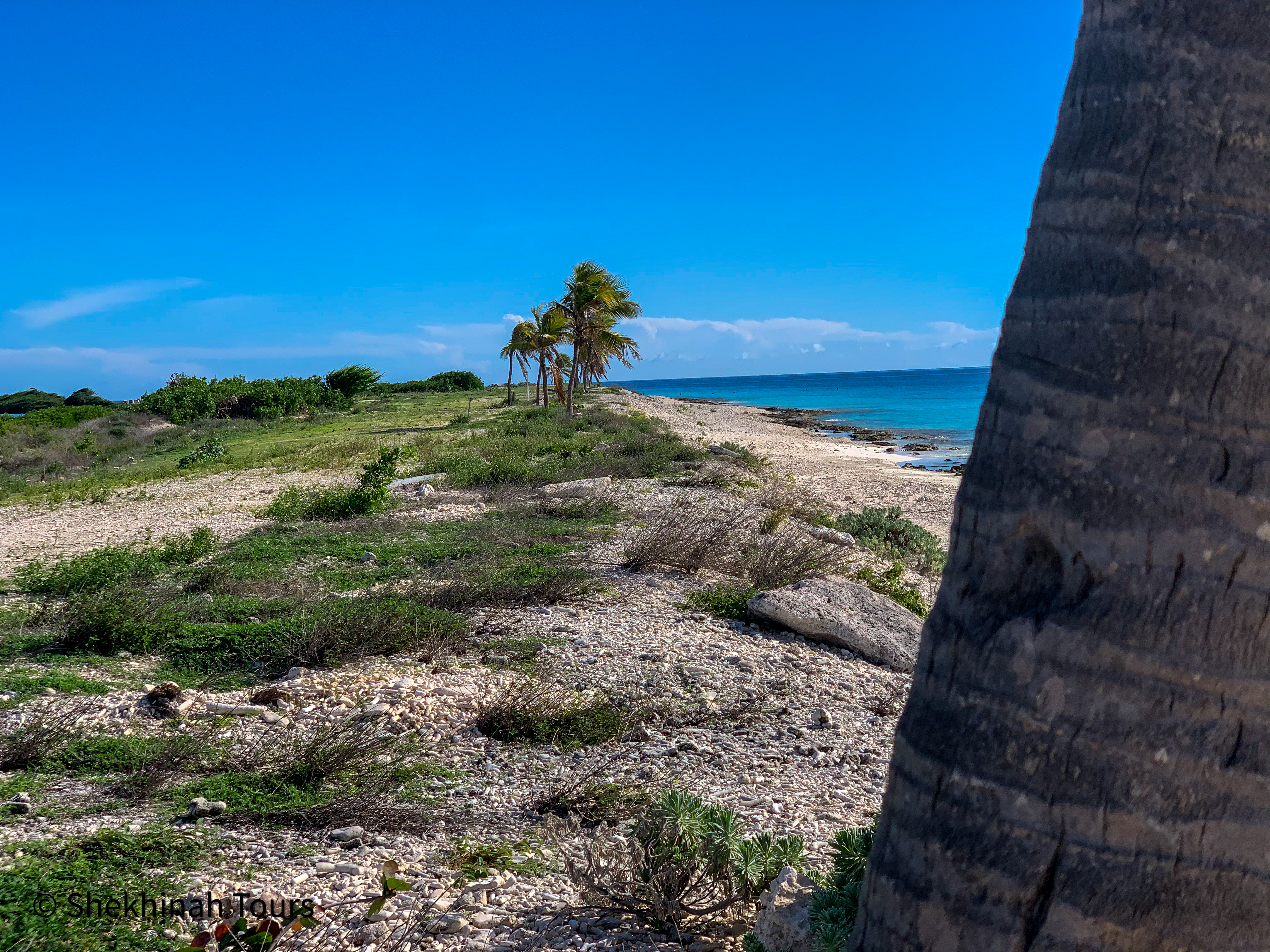
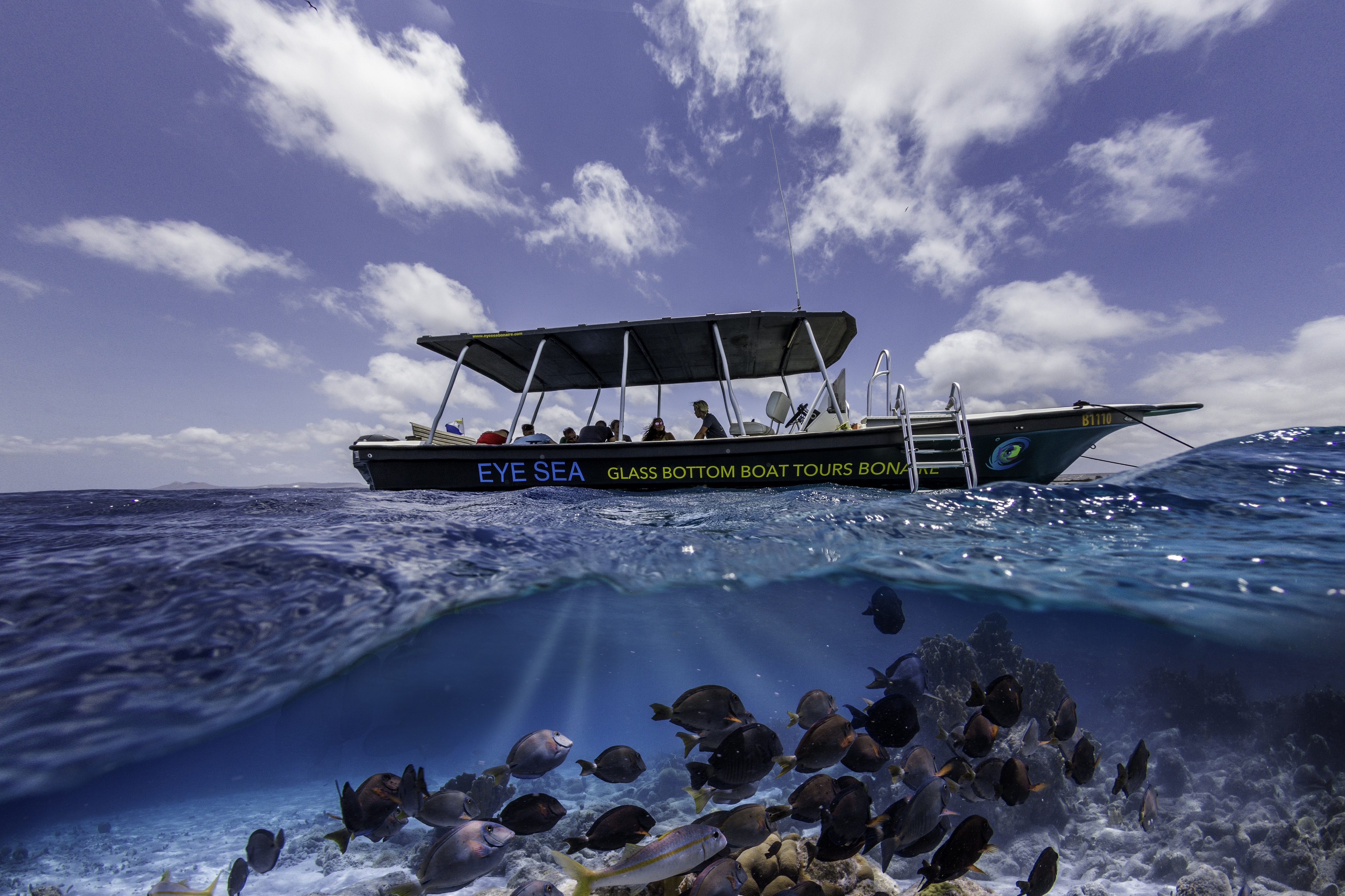
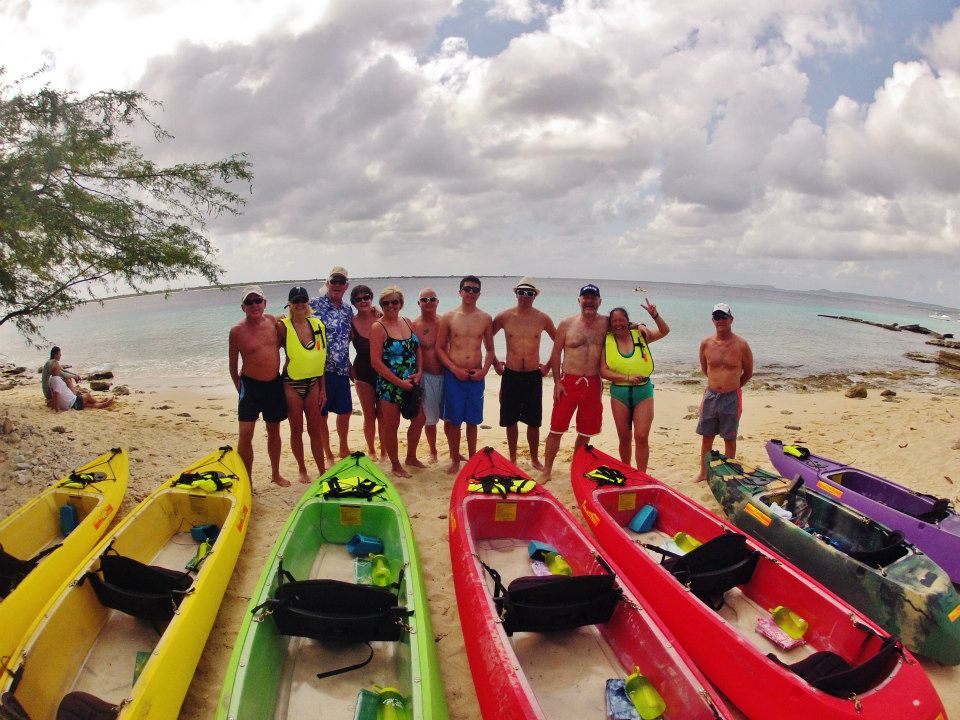
The best proof that Bonaire rewards modest budgets: some of the island's most-loved experiences come in under about $60. Three that punch far above their price:
FAQ
What currency is used on Bonaire?
The US dollar — it's the official currency, not a tourist convenience. Prices are set in dollars, ATMs dispense dollars, and there's no local currency to exchange.
Can I pay by card everywhere on Bonaire?
Almost everywhere — restaurants, shops, dive shops and tour operators take cards as standard. Keep some cash for food trucks, market stalls and small vendors.
How much should I tip on Bonaire?
10–15% where no service charge is added. Some restaurants include service on the bill — check first. Guides and boat crews appreciate the same range after a good outing.
Is Bonaire expensive?
Mid-range for the Caribbean. Groceries and dining carry an imported-island premium, but activities are honest value — much of the best snorkelling is free from shore, and top-rated tours start under $60.
Are there ATMs on Bonaire?
Yes, in and around Kralendijk, dispensing US dollars. Withdraw before heading to the south loop, Sorobon or the national park — there are no machines out there.
Budget sketched? Factor in the nature fee next, weigh vehicle costs in getting around, and see how the spending styles map to real days in the 5-day itinerary.