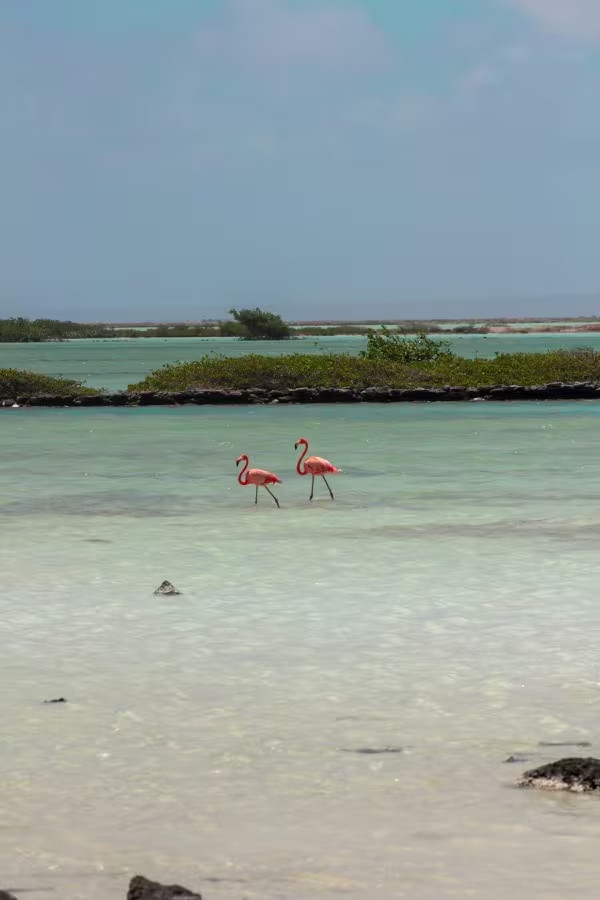
If you do one piece of admin before your trip, make it this one. Everyone who enters the water around Bonaire — swimmers, snorkelers, divers, windsurfers, kayakers — pays the STINAPA nature fee. It's not a tourist tax dressed up in green; it is the funding model behind one of the healthiest reefs in the Caribbean, and you'll be asked for proof of payment more often than you expect.
Why the fee exists
Bonaire's entire coastline, from the high-water line down to 60 metres, has been the Bonaire National Marine Park since 1979 — one of the oldest marine reserves in the world. That head start is why the reef here starts healthy a few metres from shore instead of a boat ride away. STINAPA, the non-profit foundation that manages the park, runs on the nature fee. No fee, no rangers; no rangers, no reef. It's that direct.
Who pays, and how it works
- Who: everyone entering the water, for any activity. Divers pay a higher rate than other water users.
- Validity: the calendar year — pay in March and you're covered through 31 December, whether you visit once or five times.
- Where to buy: online at stinapanaturefee.org, or through dive shops and tour operators, who can usually sort it as part of your booking.
- Rates: we deliberately don't print amounts — check stinapanaturefee.org for current rates.
The fee is also linked to entry for Washington-Slagbaai National Park in the north — check STINAPA for how park entry works with your fee and for current hours before you drive up.
Where the money goes
The fee funds the unglamorous work that keeps the park working: ranger patrols on water and land, the public mooring buoys that let boats operate without ever dropping anchor on coral, scientific monitoring, and conservation programmes across both the marine park and Washington-Slagbaai. When you clip a mooring line instead of watching an anchor swing into a reef, you're looking at your fee in action.
The reef rules, since you're paying for them
The fee buys access; the rules keep the access worth buying. They're simple:
- Don't touch anything — no coral, no creatures. No gloves, which make touching tempting.
- Don't stand on coral. Fin up, watch your buoyancy, find sand if you need to stand.
- Take nothing — no shells, no coral fragments, nothing living or dead.
- Use reef-safe sunscreen, or better, cover up with a rash guard.
- Boats use the public moorings — anchoring on the reef is out.
None of this limits the fun. It's why there's still fun to limit.
Put the fee to work
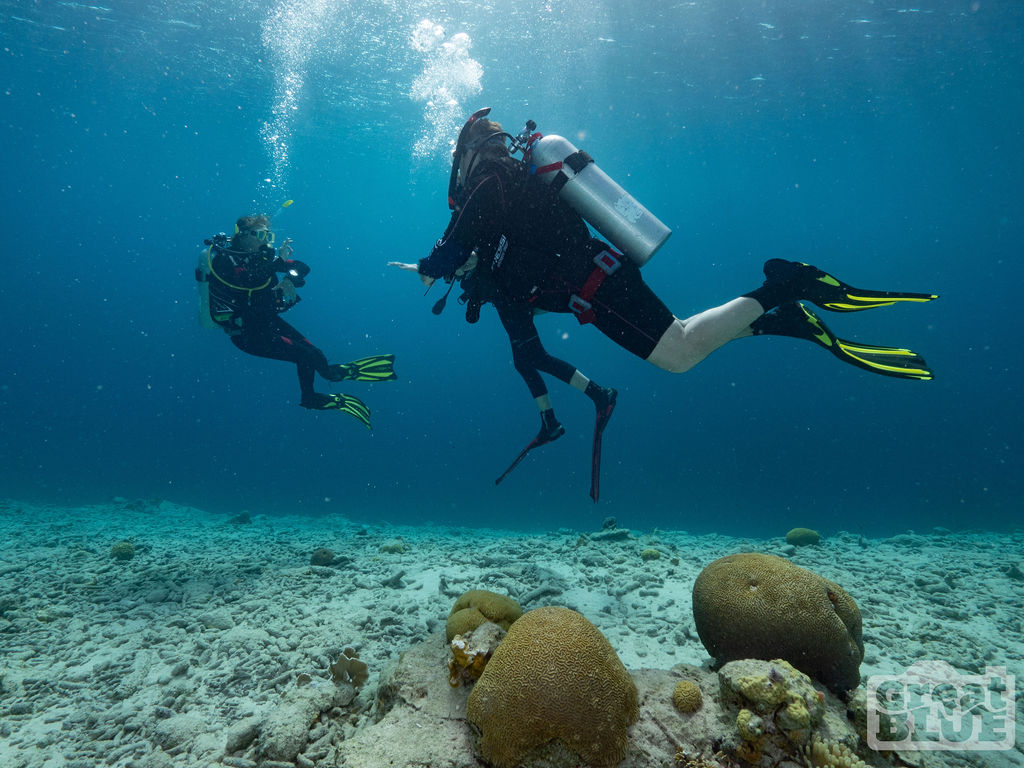
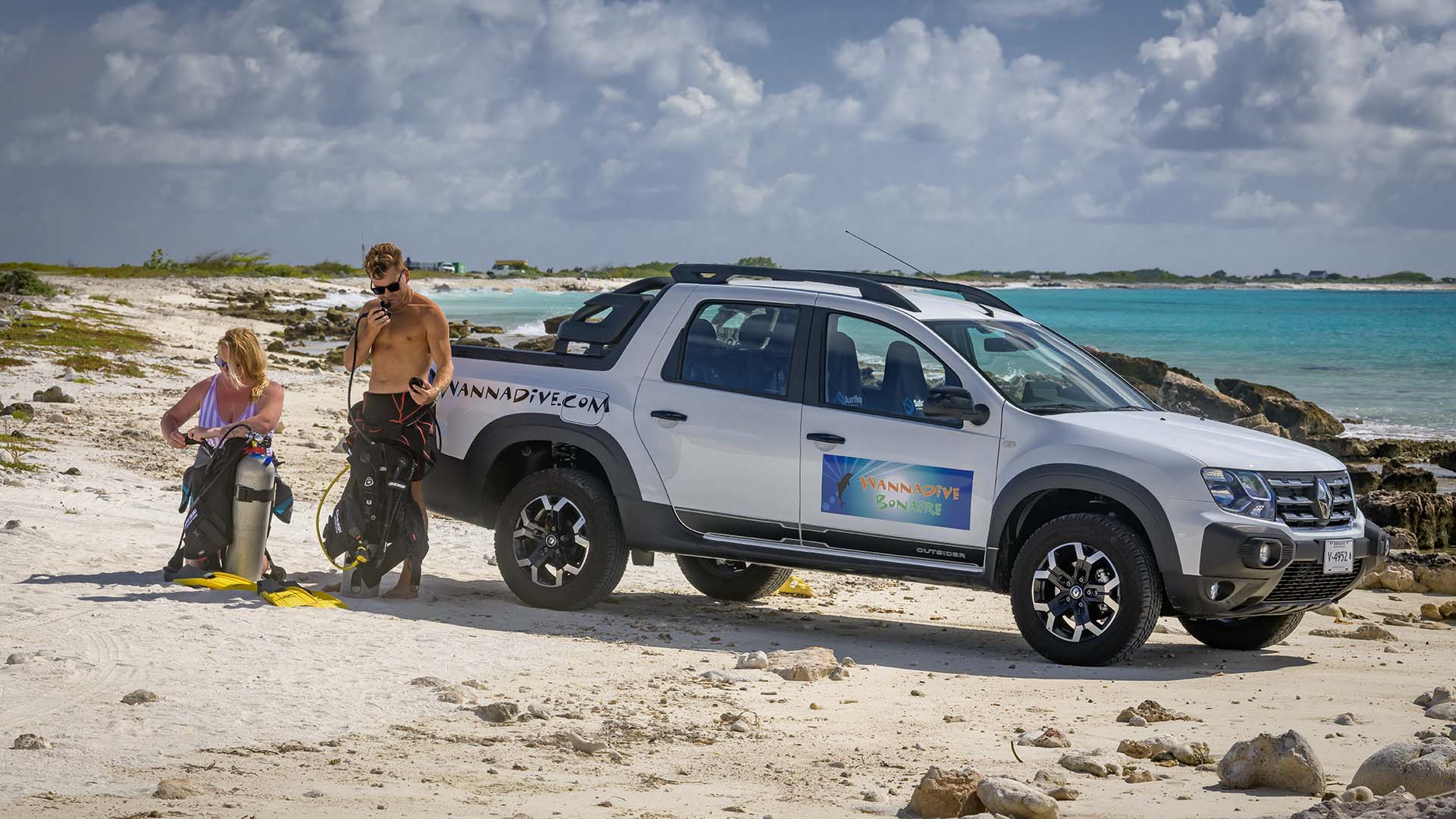
Once you're paid up, the whole marine park is yours — and the best introductions to it are run by the local crews who work inside it every day:
FAQ
Do I have to pay the Bonaire nature fee if I only swim?
Yes. The fee applies to everyone entering the water for any activity — swimming, snorkelling, windsurfing, kayaking. Divers pay a higher rate. Staying on dry land is the only exemption.
How long is the STINAPA nature fee valid?
For the calendar year in which you buy it, ending 31 December. Return visits within the same year are covered; a new year means a new fee.
How much is the Bonaire nature fee?
Rates change, so check stinapanaturefee.org for current amounts. Expect a standard rate for water users and a higher one for divers.
Where do I buy the nature fee and how do I prove I paid?
Buy online at stinapanaturefee.org or via dive shops and tour operators. Keep digital proof on your phone — operators and rangers routinely ask to see it.
Does the nature fee include Washington-Slagbaai National Park?
Park entry is linked to the STINAPA nature fee system — check STINAPA for exactly how entry works with your fee, plus current opening hours, before making the drive north.
Fee sorted? Get in the water: start with diving on Bonaire, plan a trip to Klein Bonaire, or take the truck north to Washington-Slagbaai.