
Bonaire is small enough to “finish” in three days — if you stick to the postcard. But the island keeps its best material off the main loop: bioluminescent nights, cave pools, a village that still runs on its own clock, and beaches nobody photographs because nobody’s there. These are the secrets locals actually share with friends who visit.
The string of pearls
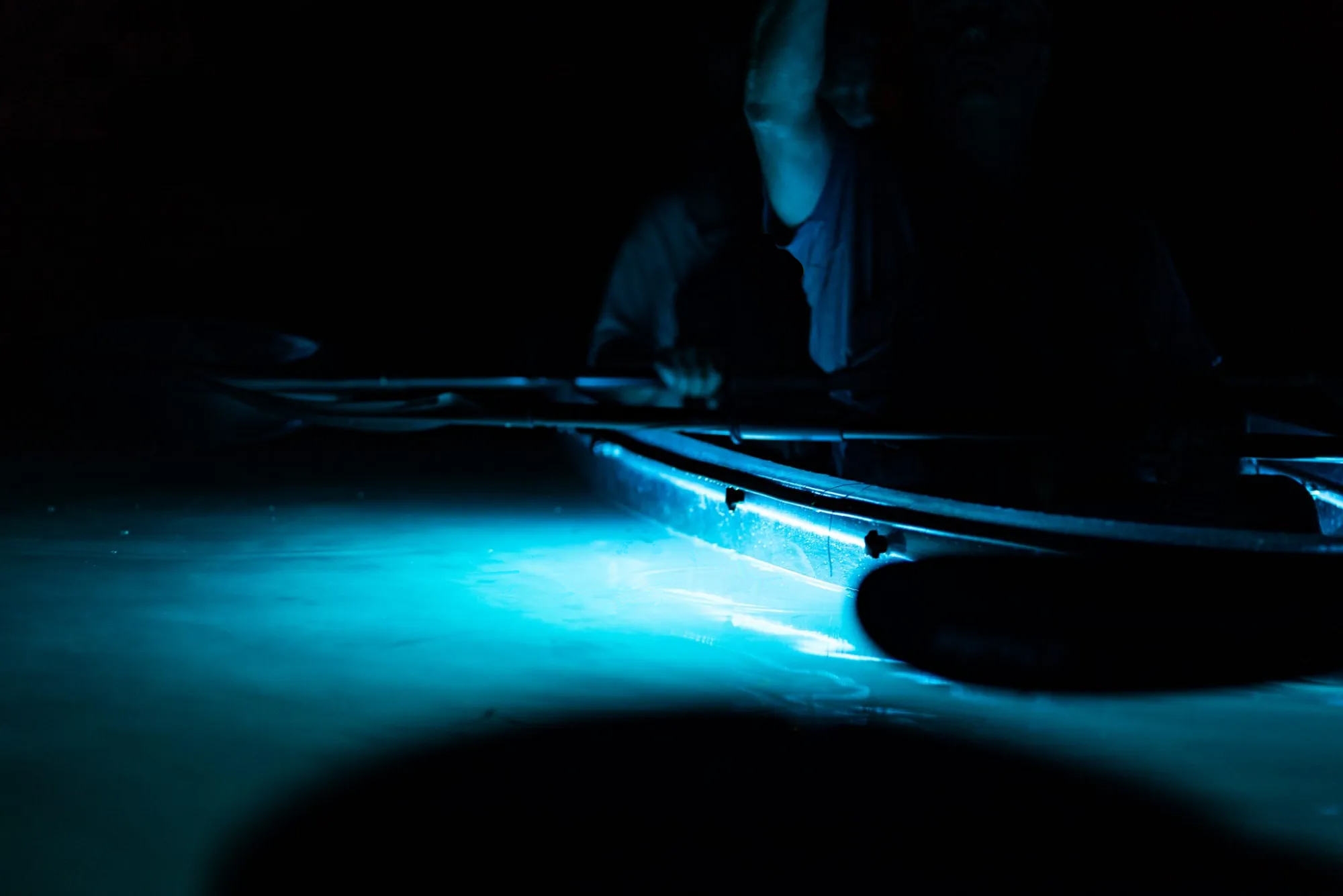
A few nights each month, in the dark water on the island’s quiet side, ostracods — tiny crustaceans — put on one of the Caribbean’s strangest light shows. Males release strings of blue bioluminescent dots that hang in the water like beads: the string of pearls. It only works on properly dark nights, roughly in the days after a full moon and around new moon, away from shore lights.
You can’t see this from a beach bar. You need to be on dark water at exactly the right time — which is why the night kayak trips through the mangroves are the way in. Paddling under stars while the water lights up around your hull is the single most “how is this real” experience on the island.
Cave pools under the desert
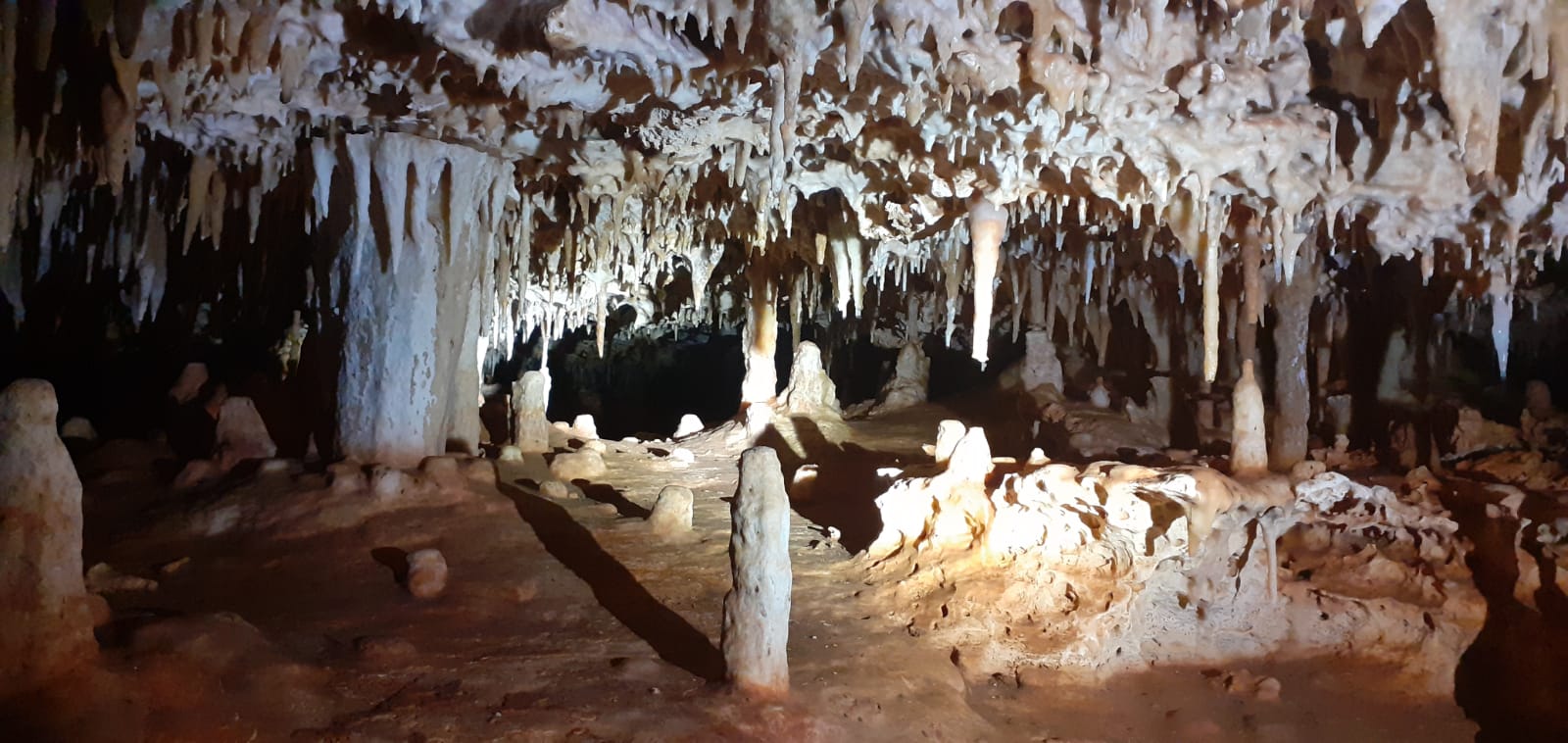
Bonaire’s dry, cactus-covered surface hides a limestone underworld: hundreds of caves, some with crystal-clear freshwater pools you can swim in, others with bats, stalactites and pre-colonial history. The caves are protected and most are on private or trust land — this is one part of the island you genuinely cannot do on your own. Local guides hold the access and know which chambers are open, which are sacred, and which pool is cold enough to make you gasp.
Rincon, on a slow morning
Most tours give Rincon — the island’s oldest village, settled in the 16th century — twenty minutes and a distillery stop. Give it a morning instead. The Cadushy Distillery (cactus liqueur, pleasant courtyard) is the anchor, but the point of Rincon is the pace: pastel houses, roadside snack stands, older men playing dominoes, and the valley setting that made it the safest place on the island for four centuries. Weekend market culture is alive here; if your trip includes a Saturday, ask locally what’s on.

The east coast nobody drives
The windward side of Bonaire is the anti-postcard: crashing surf, blowholes, salt spray and not a soul. The coastal track past Lac Cai — where conch shells are piled metres high from generations of fishermen — is the wildest scenery on the island. Respect the ocean here (this is not swimming water) and take the drive slowly; the road is rough and that’s part of the deal. A guided island tour covers it without risking your rental agreement.
Beaches without names on the map
- Bachelor’s Beach — a pocket of white sand below a small cliff on the southern shore road. Room for a dozen people; usually holds three.
- Pink Beach late in the day — tour buses see it at noon. Come back after four, when the crowds are gone and the light turns the sand to its namesake colour.
- No Name Beach before ten — Klein Bonaire’s beach gets its day-trip crowd late morning. The first water taxi of the day buys you an hour of having it nearly to yourself. See our Klein Bonaire guide.
- Wayaka II — inside Washington-Slagbaai park, a tiny cove that regulars call the best snorkel spot on the island. Earning it via the park road is the filter.
The golden hour secret that isn’t one
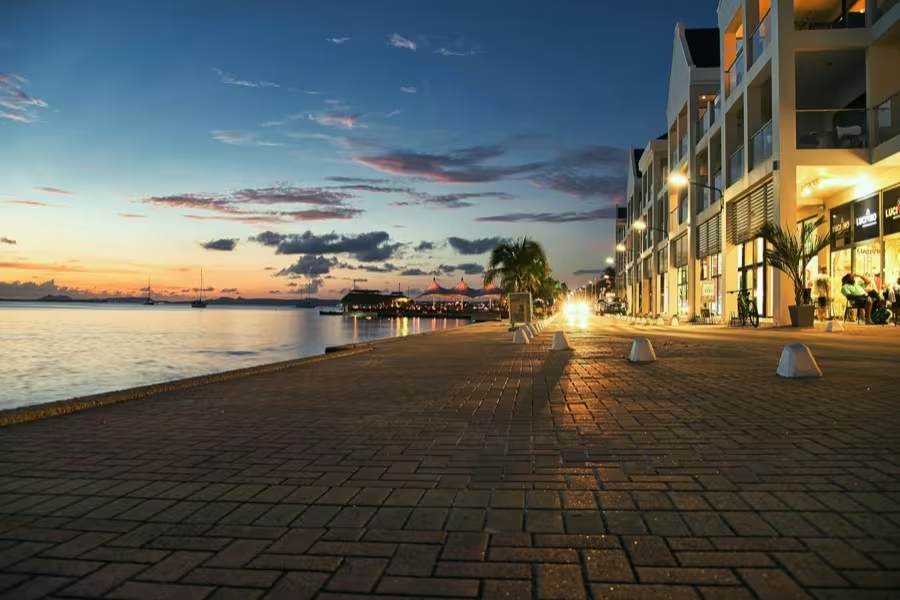
Locals don’t keep this one quiet: the hour before sunset, on the water, facing Klein Bonaire. Every visitor should do it once — with a snorkel stop, a drink, or both.
See the sunset sailsFAQ
When can you see the string of pearls in Bonaire?
On dark nights — roughly the week after full moon through new moon — in calm, unlit water such as the Lac Cai mangrove lagoons. Night kayak tours time their departures around the lunar calendar; ask when you book.
Can you visit Bonaire’s caves on your own?
No — the caves are protected and access runs through local guides, which is also what keeps them pristine. A guided cave tour handles permits, lights and helmets, and the guides’ generational knowledge is half the experience.
Is the east coast of Bonaire worth visiting?
Yes, for the drama — surf, blowholes and the conch-shell mounds at Lac Cai — but it’s not swimming territory and the tracks are rough. Go with a guided island tour or a suitable vehicle, and never turn your back on the waves.
What is the least touristy thing to do in Bonaire?
A slow morning in Rincon followed by the Goto flamingo viewpoints, or a night kayak on a moonless night. Both put you in parts of the island most seven-day visitors never see.
Want the classics too? Start with things to do, or slot these secrets into the one-week itinerary.